
Complete Guide: How to Paint Tiles Step by Step
COMPLETE GUIDE: HOW TO PAINT TILES STEP BY STEP
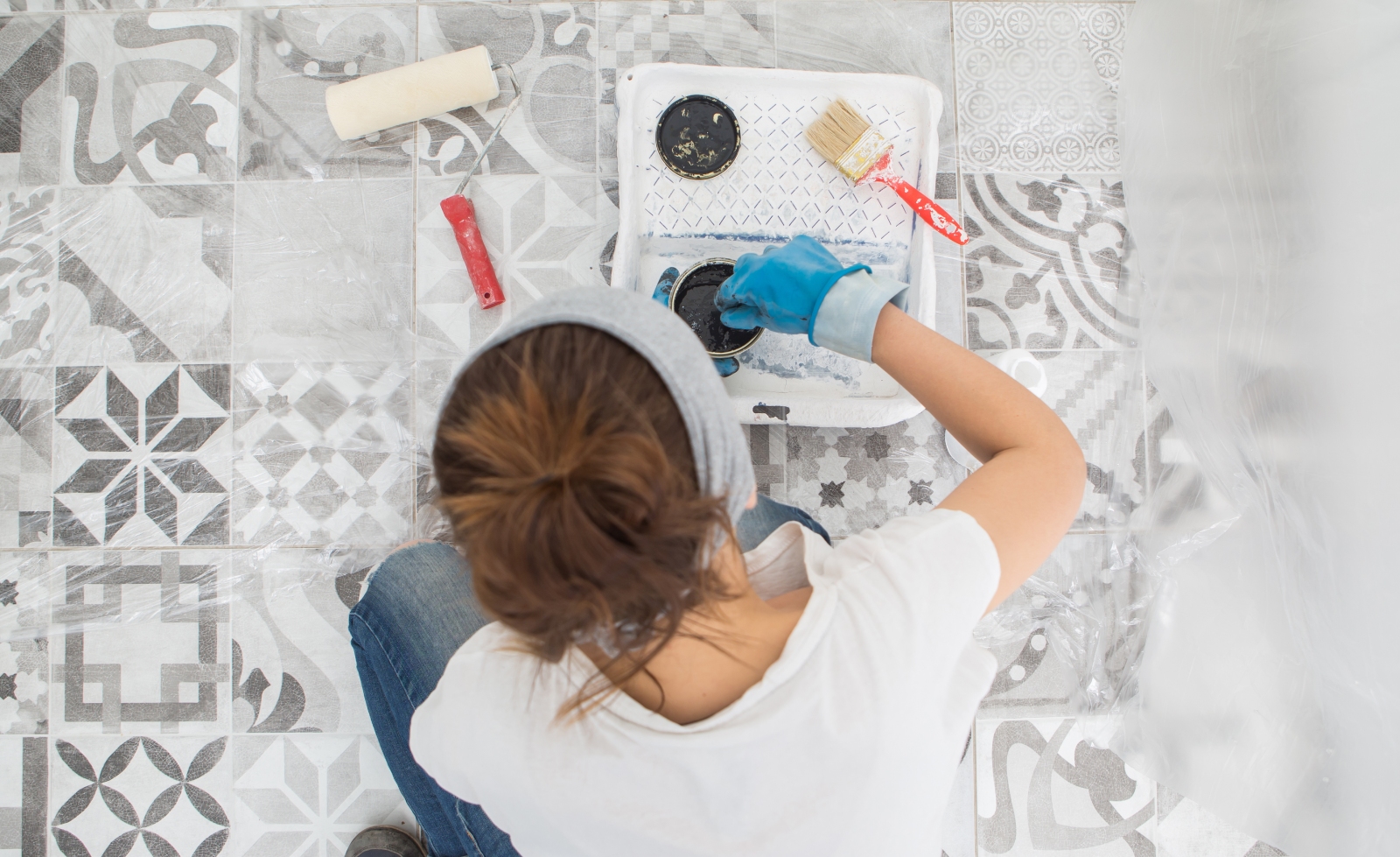
Refreshing your kitchen, bathroom or laundry room doesn’t always require major building work or a significant investment. Painting tiles has become an increasingly popular solution for anyone looking to transform a space quickly, affordably and with an immediate visual impact.
As well as refreshing older interiors, this approach can help extend the life of tiled surfaces, avoiding the need to remove them and reducing unnecessary waste.
However, to achieve a durable, even finish, it’s essential to follow each stage of the process carefully and choose the right products.
In this complete guide, we explain how to paint tiles step by step, including the materials you’ll need, key preparation considerations and our top tips for achieving a successful result.
ESSENCIAL MATERIALS FOR PAINTING TILES
Before you get started, having the right materials to hand can make all the difference to the final result.
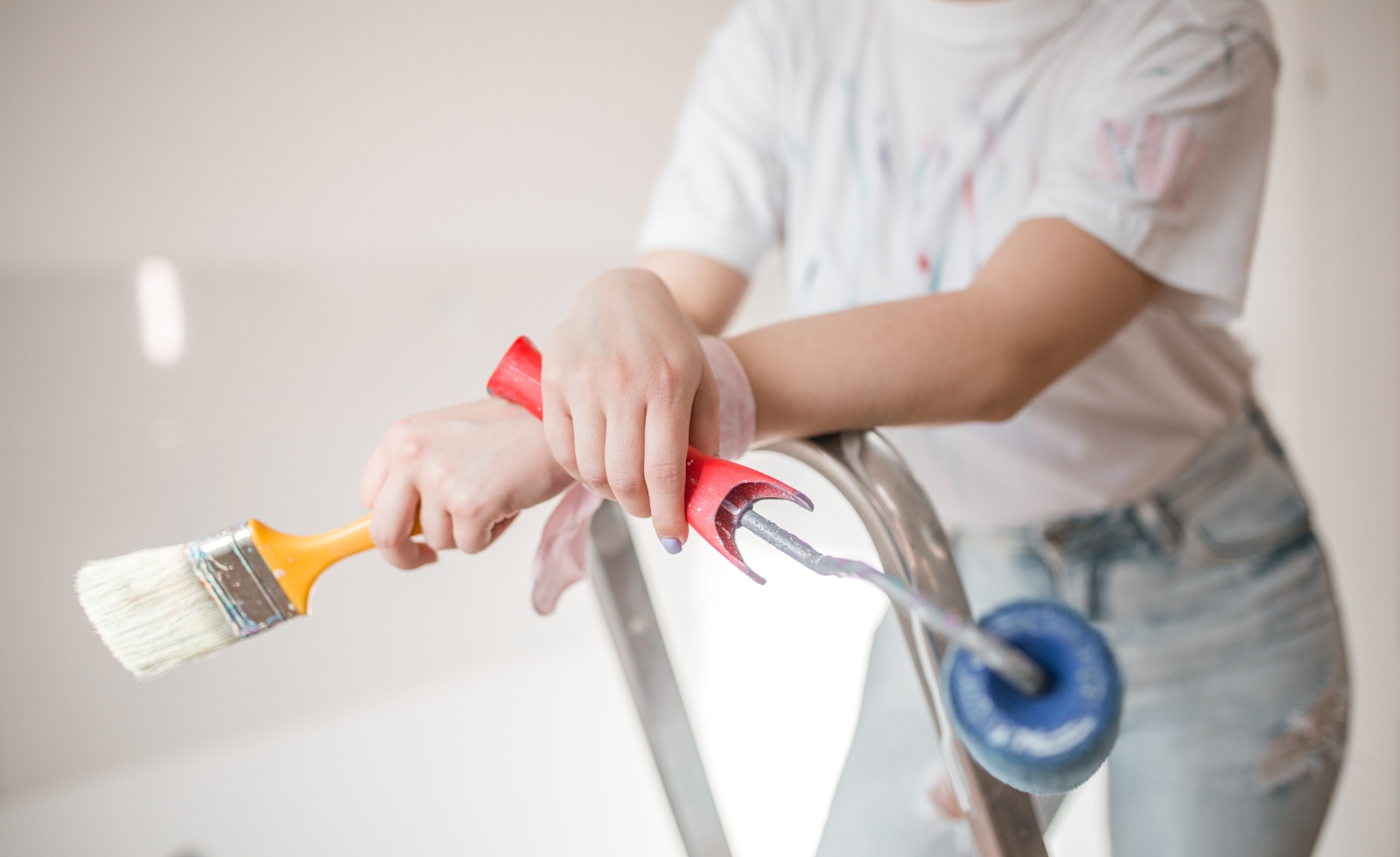
Recommended materials
- Adhesion primer: Aqua Primer.
- Acrylic topcoat: Cinacryl.
- Fine foam roller.
- Brush for corners and detailed areas.
- Painter’s tape.
- Fine-grit sandpaper.
- Clean cloth and degreasing detergent.
- Paint tray.
- Protective gloves.
WHY IS THE PRIMER ESSENCIAL?
One of the most common questions arises at this stage: can you apply paint directly to tiles?
From a technical standpoint, the answer is clear – it’s not advisable.
Tiles have a smooth, low-porosity surface, which makes it difficult for paint to adhere directly. Primer creates a bonding layer between the surface and the topcoat, helping to prevent problems such as paint peeling over time.
HOW TO PAINT TILES STEP BY STEP
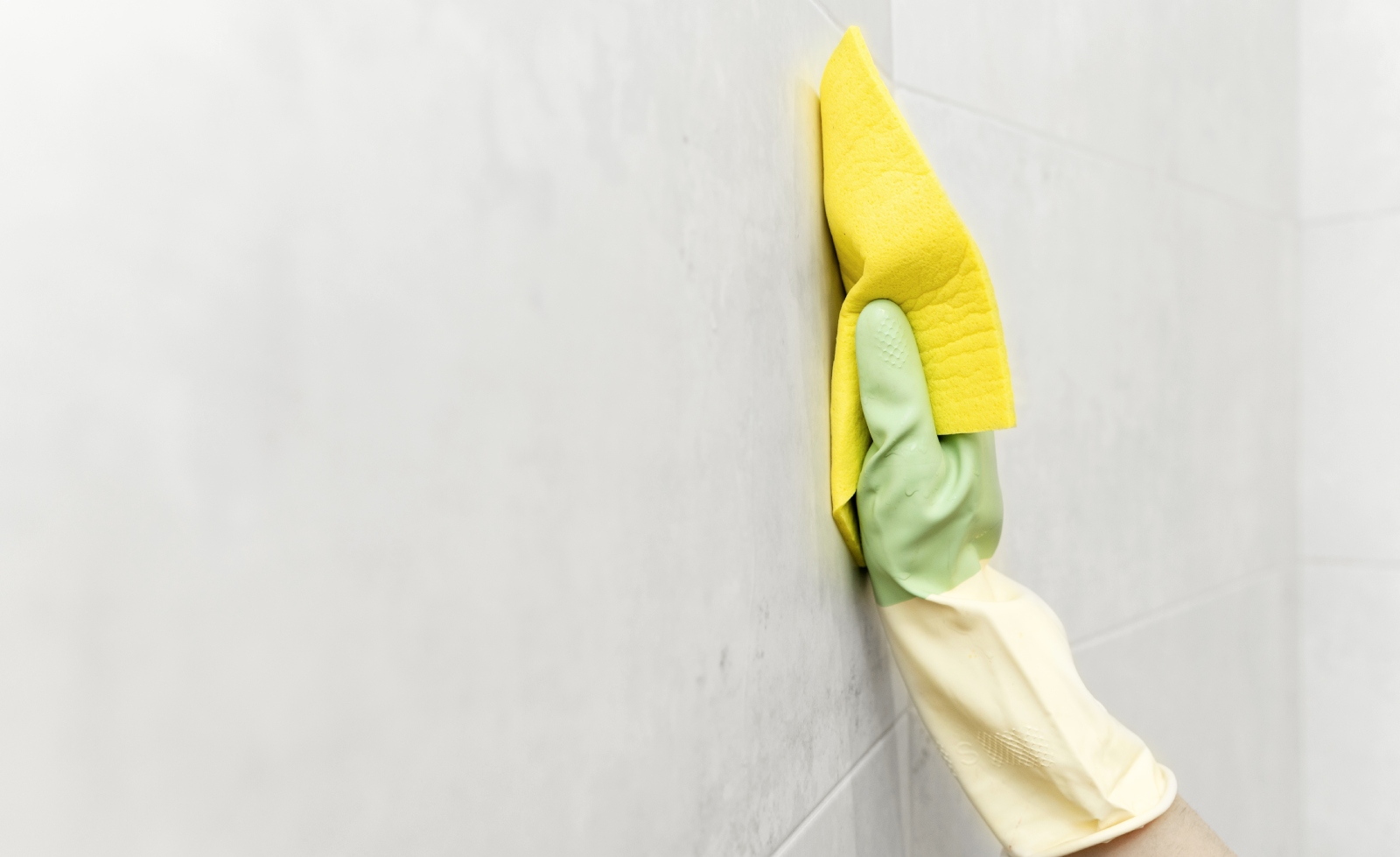
- Prepare the surface for painting: deep cleaning
Before applying any products, it’s essential to completely remove grease, moisture, dust and soap residue.
The surface should be washed with a degreasing detergent and thoroughly dried.
In kitchens and bathrooms, this step is particularly important, as the build-up of grease or condensation can affect adhesion.
IMPORTANT TIP: If there’s any mould or mildew, it should be removed before you start painting.
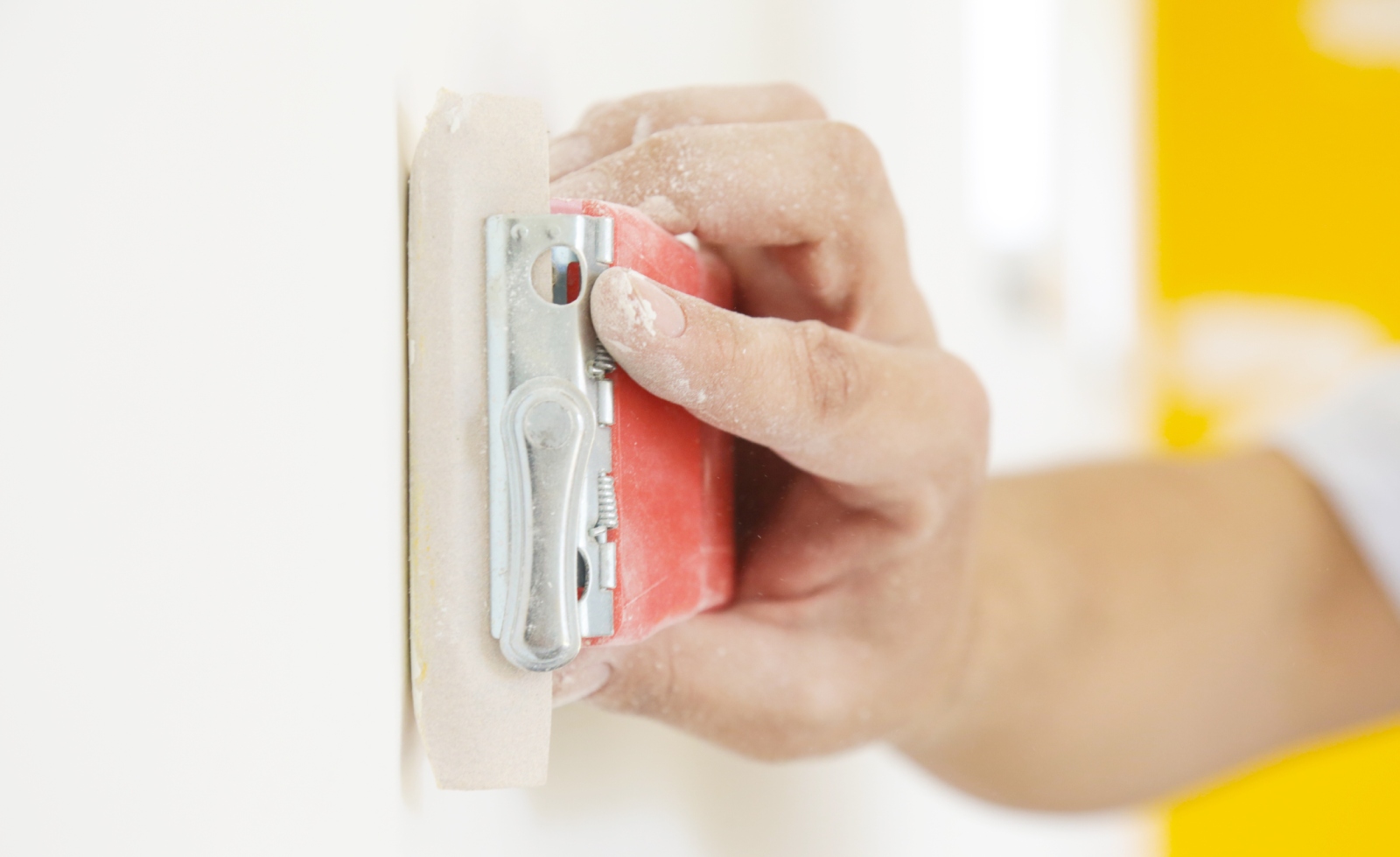
- Lightly sand the tiles
Light sanding helps reduce the surface sheen and improves primer adhesion.
There’s no need to sand aggressively – just create a slight texture on the surface.
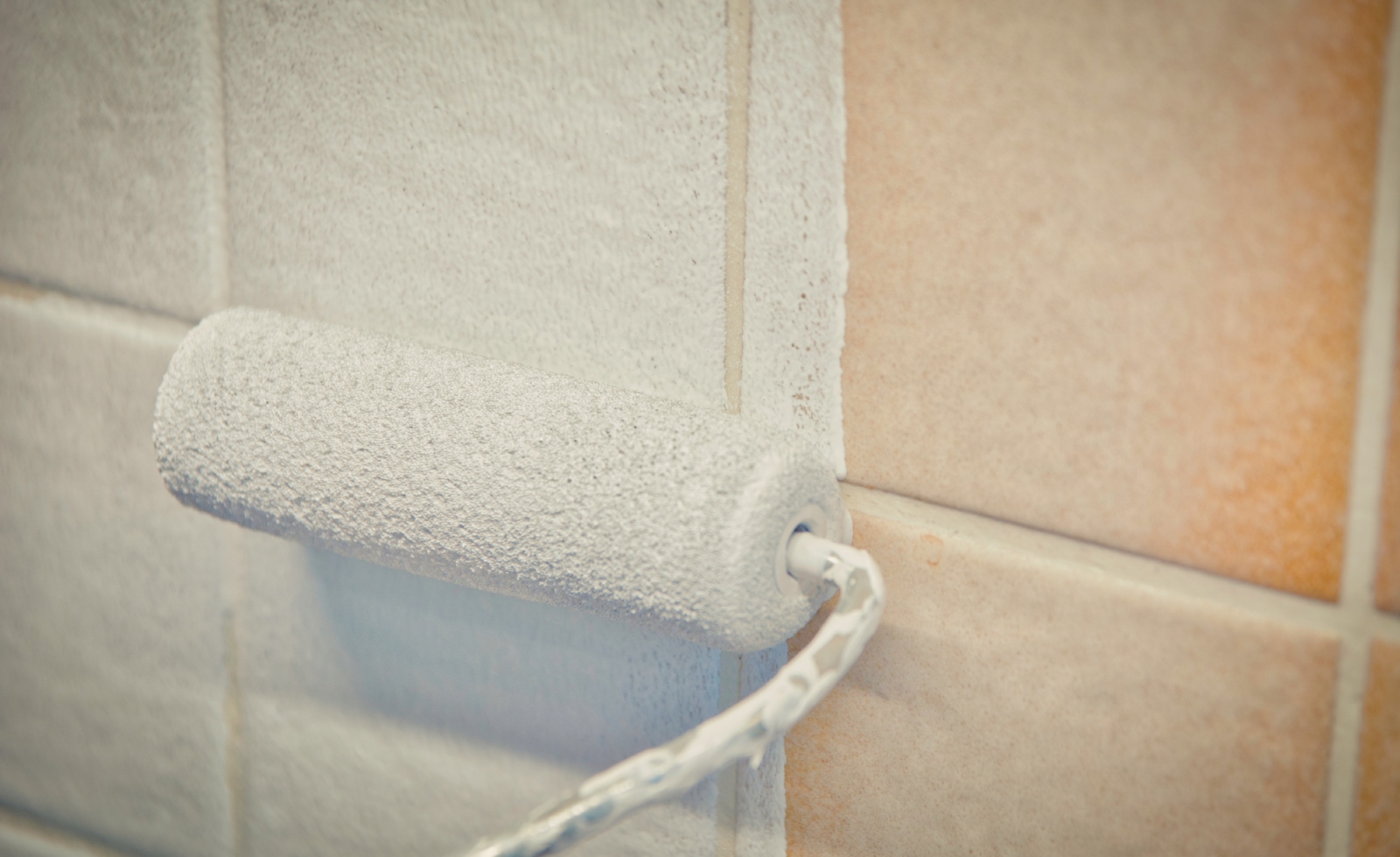
- Apply the primer
Apply an even coat of Aqua Primer using a fine foam roller. Use a brush for corners and grout lines. This step is crucial for achieving an even, durable finish.
If you want to conceal the grout lines, apply Hantek filler over them.
- Allow the primer to dry
One of the most common mistakes when painting tiles is rushing the process.
The primer must be completely dry before applying the topcoat.
Following the recommended drying time helps prevent marks, adhesion problems and uneven sheen.
- Apply the topcoat
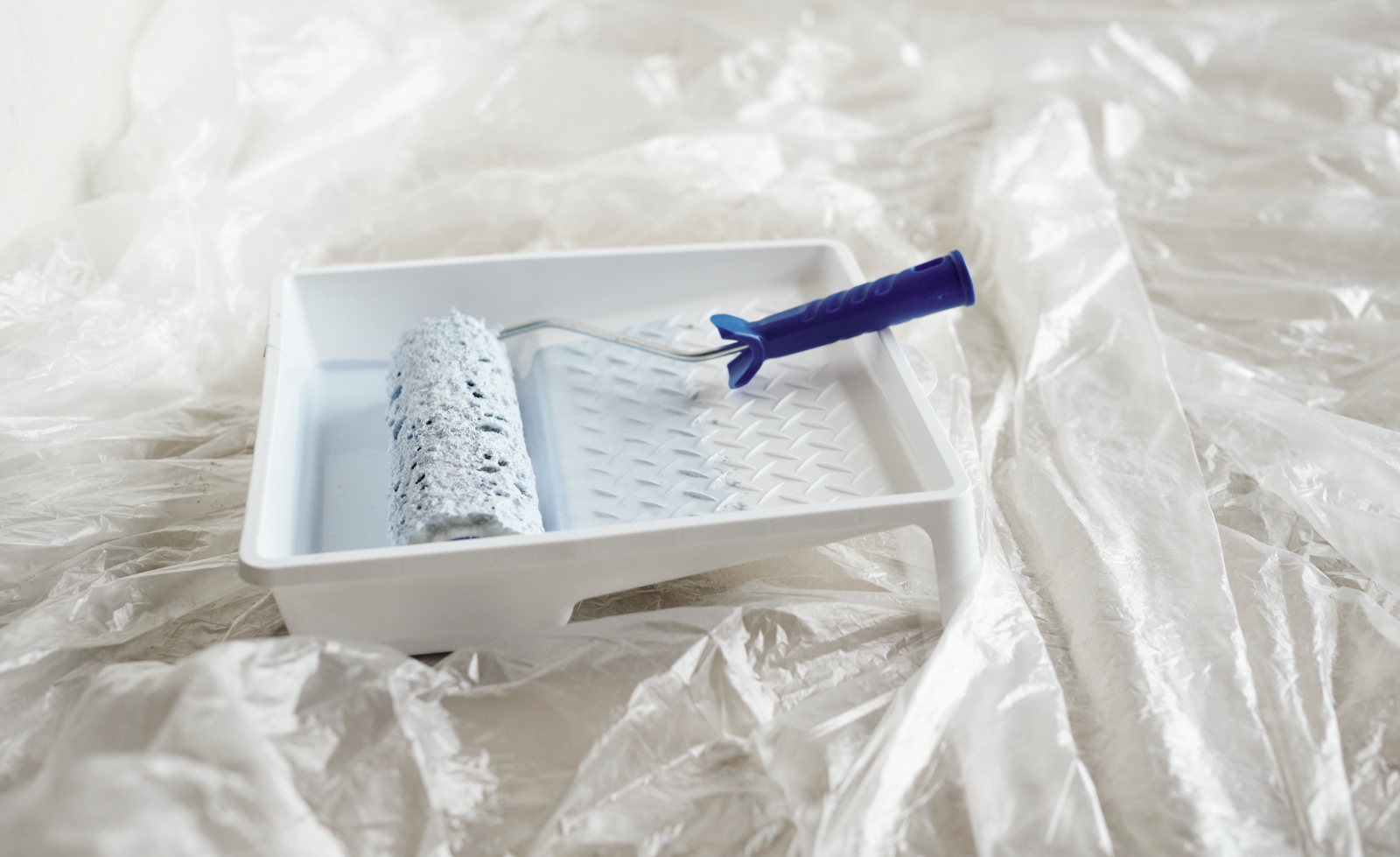
Once the primer is completely dry, apply Cinacryl in thin coats.
Two coats are recommended to ensure even coverage.
RECOMMENDED APPLICATION TECHNIQUES
- Apply in a criss-cross pattern to achieve an even finish.
- Avoid overloading the roller with paint.
- Work on small areas at a time.
- Keep your movements smooth and continuous.
- Allow sufficient time between coats
Never apply the second coat before the first is fully dry.
Allowing adequate time between coats significantly improves the final finish.
WHERE CAN TILE PAINT BE USED?
This solution is particularly well suited to high-use interior areas.
- Kitchens: ideal for updating older wall tiles without needing to replace them.
- Bathrooms: ideal for quickly refreshing the space, provided there is good ventilation.
- Laundry rooms: a practical option for modernising utility areas.
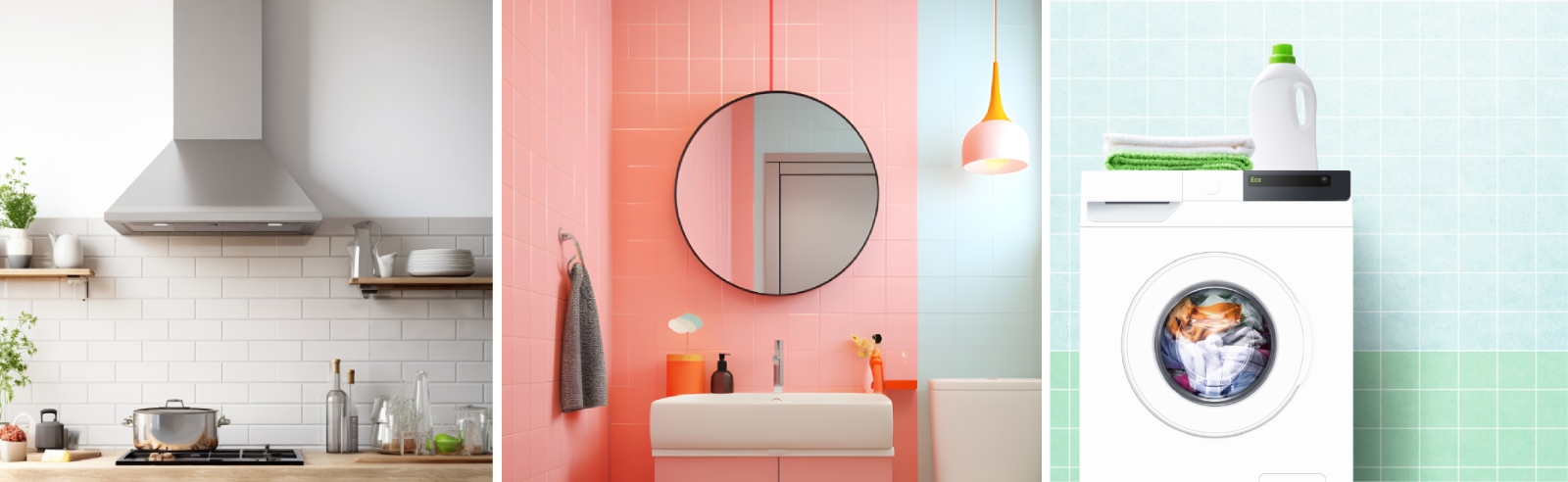
In all of these spaces, proper surface preparation is essential for achieving a durable result.
FREQUENTLY ASKED QUESTIONS
What’s the best paint for tiles?
For interior tiles, the ideal system combines an adhesion primer with a topcoat formulated for smooth, non-porous surfaces. Applying Aqua Primer followed by Cinacryl provides strong adhesion, a uniform finish and high durability.
Do you need to sand tiles before painting?
Yes. Light sanding helps reduce the surface sheen and improves primer adhesion.
Can you paint tiles without removing the grout?
Yes. The grout can be painted along with the tiles, provided it is clean and in good condition.
Why does tile paint peel?
The main cause is usually insufficient surface preparation:
- Residual grease.
- Lack of primer.
- Failure to allow sufficient drying time between coats.
How many coats are needed?
As a rule, two topcoats are sufficient.
What are the most common mistakes?
Some of the most common mistakes when painting tiles include:
- Failing to degrease the surface properly.
- Skipping the primer.
- Applying too much paint.
- Not allowing sufficient drying time.
How long should you wait before using the surface normally again?
Although the surface may dry quickly to the touch, full curing takes longer. For this reason, it’s advisable to avoid prolonged contact with water or harsh cleaning during the first few days.
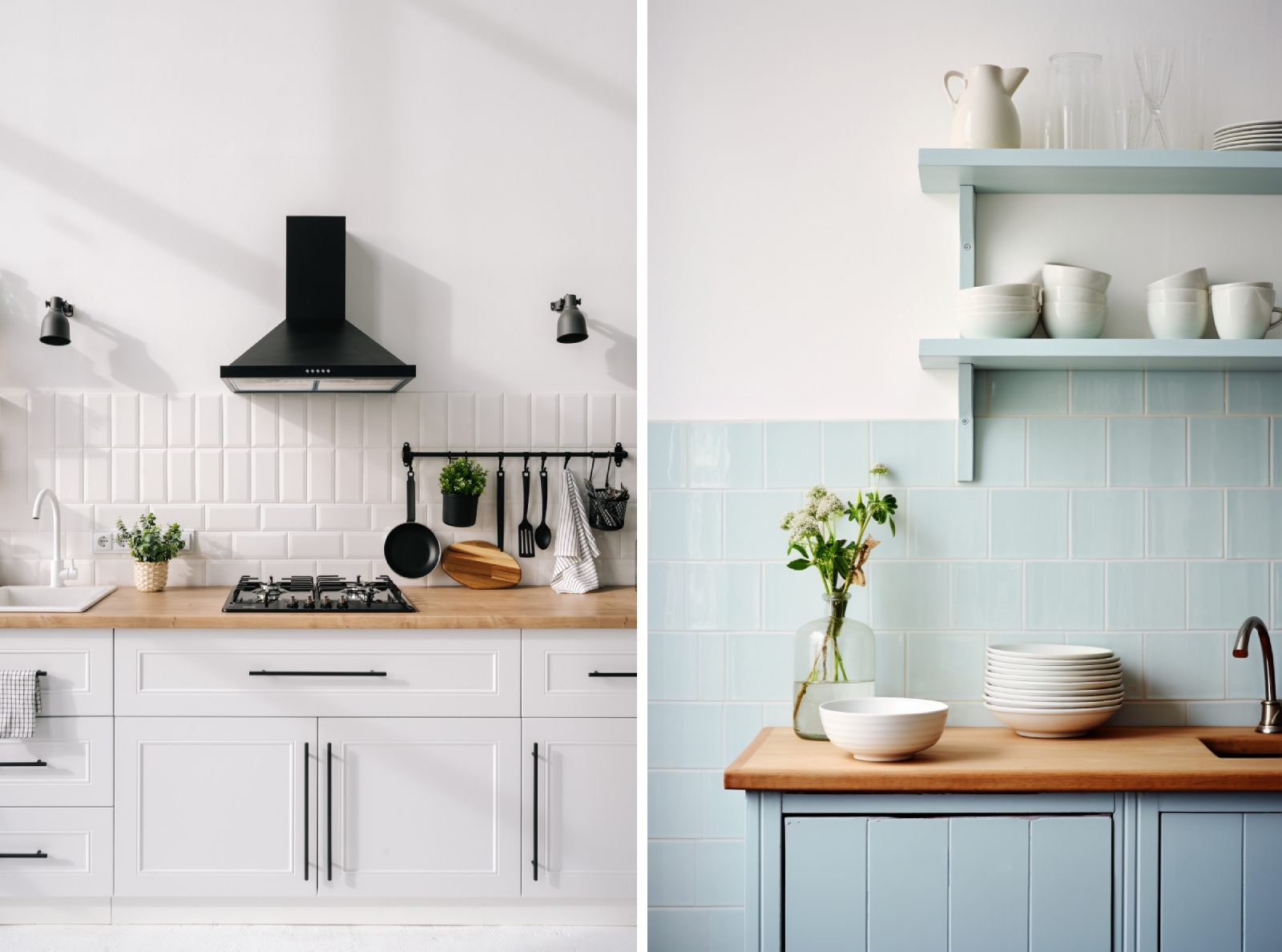
Painting tiles is a smart way to refresh your space without complex building work, combining affordability, speed and decorative impact.
With the right products and a well-executed process, you can achieve a durable, even and long-lasting finish.
Discover CIN’s interior renovation solutions and find the right colour to transform any room.
Let’s paint?