
How lighting influences the colours in your home

Between warm lights, golden reflections and shorter days, the shades on your walls seem to come to life, shifting in appearance and conveying different sensations. The same wall can appear lighter, warmer or more intense depending on how it is lighted. This is the true magic of the season: light and colour work together to create unique atmospheres that fill every corner with warmth, comfort and emotion.

BECAUSE LIGHT IS FUNDAMENTAL TO THE COLOURS IN YOUR HOME
Light does not just illuminate colours: it awakens them. A soft, luminous shade during the day can become more intimate and enveloping at night when illuminated by warm light. This is why lighting is fundamental to enhancing paintwork and highlighting the personality of each space.
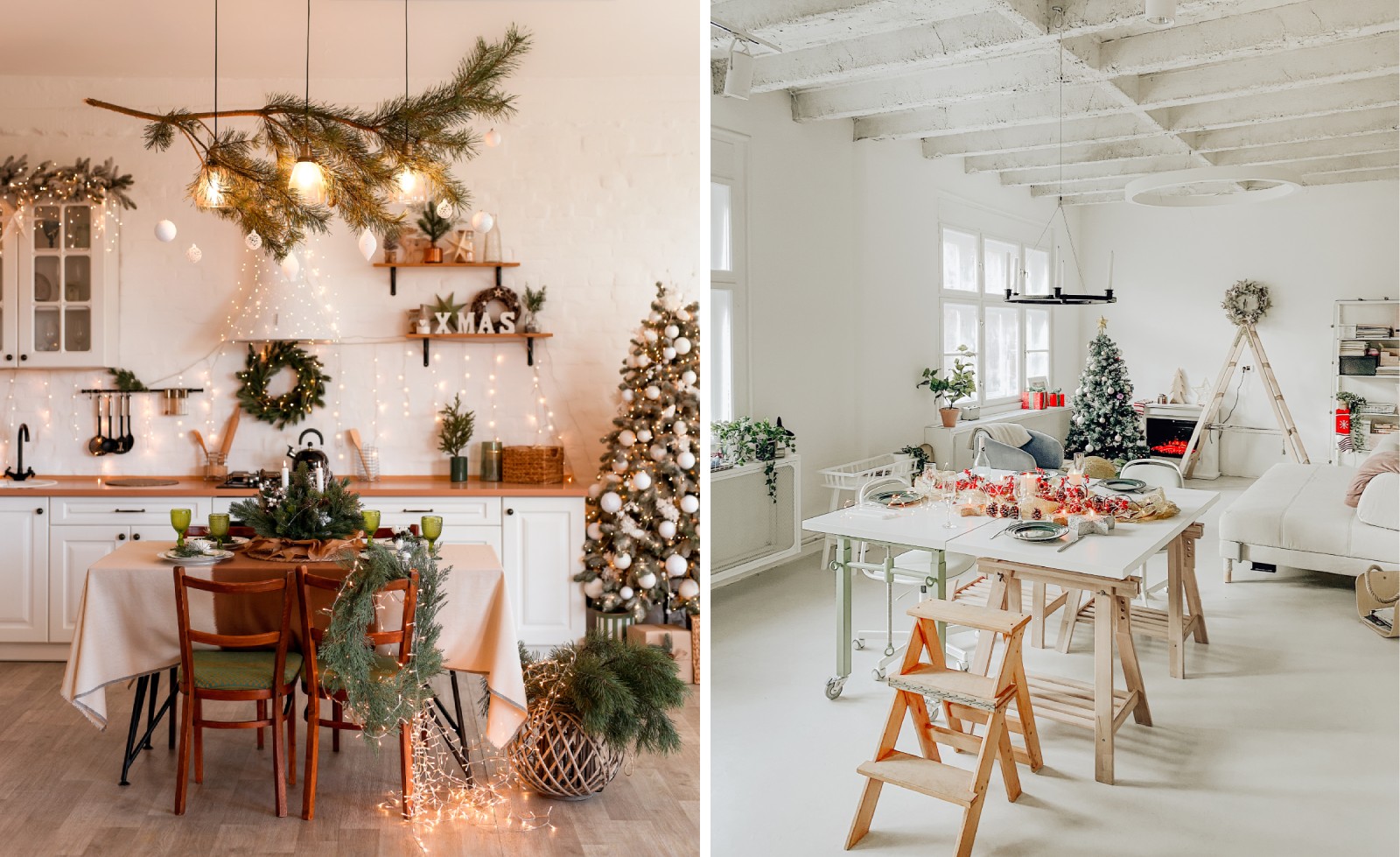
Paint and light are inseparable: while one gives texture, depth and character to spaces, the other awakens their nuances and gives them movement. Choosing the right colour also means choosing how you want light to reflect in your space.
TYPES OF LIGHTING AND THEIR IMPACT ON COLOURS
Lighting directly influences our perception of the colours we see on walls. Its role is as important as the colour shade we choose when designing an interior space.
Cool light: when and how to use it
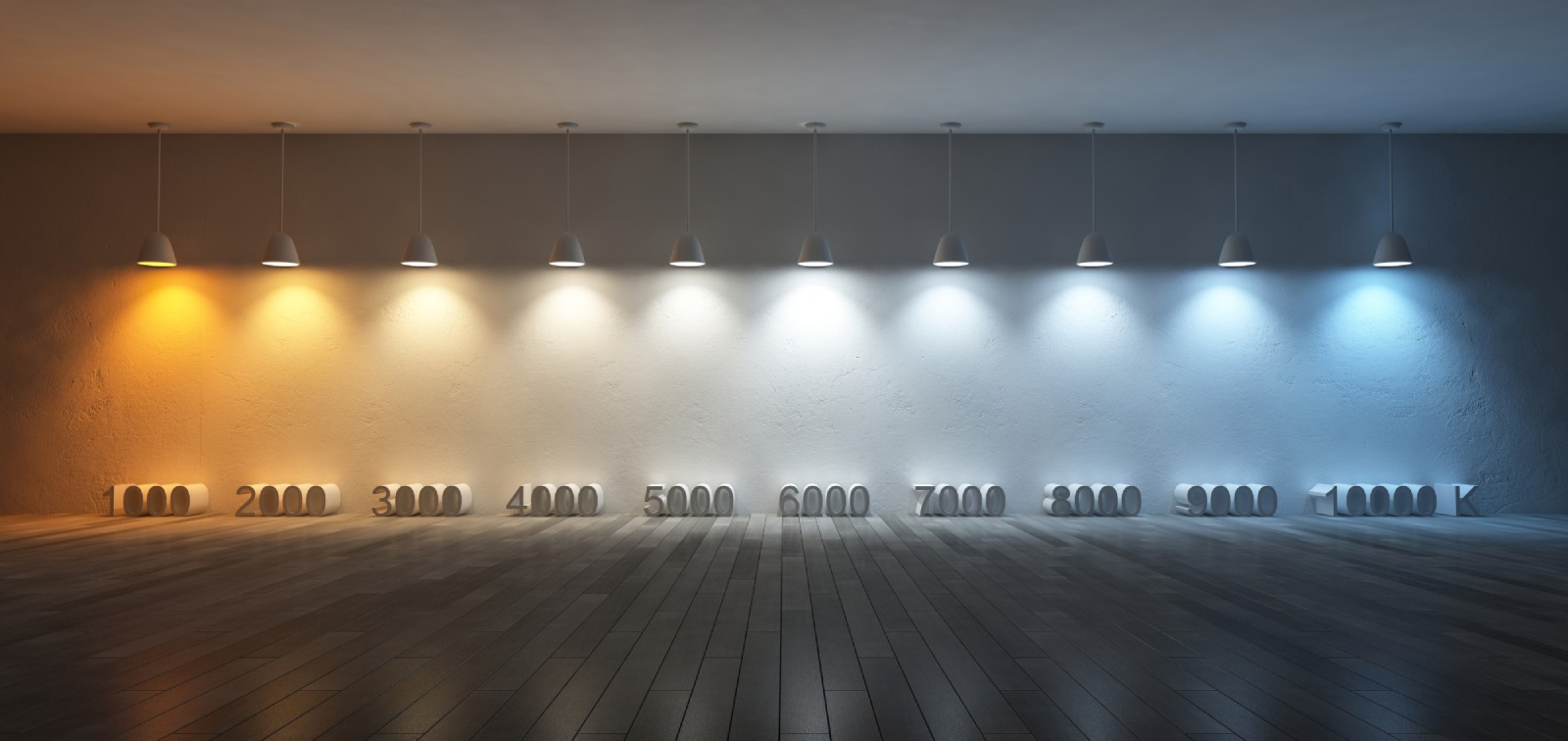
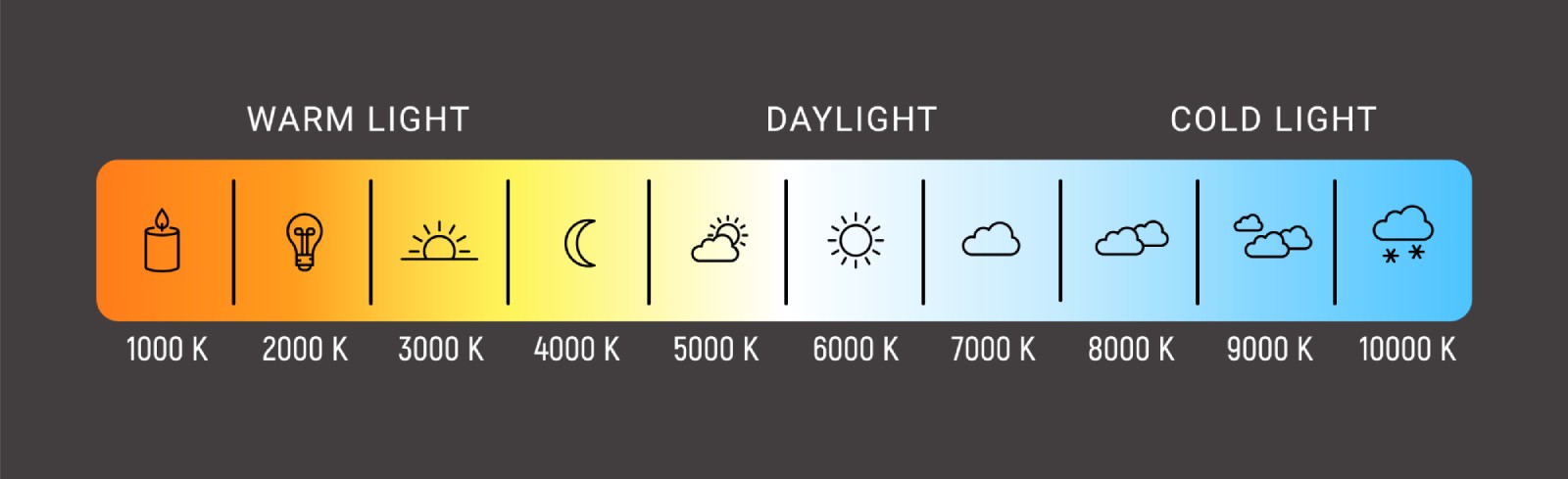
Cool light (≈5000–6500 K), with a bluish hue, is typical of midday or cloudy days, and is ideal for highlighting cool tones such as blues, greens and greys, which become more vivid and defined. On the other hand, it can make warm colours appear duller, as the absence of reds and yellows in this lighting reduces their apparent saturation.
Warm light: creating cosy environments
Warm light (≈2700-3500 K), in which yellows and oranges predominate, is typical of dawn and late afternoon, giving rooms a cosy and soft feel, especially enhancing earth tones and beiges, which gain in warmth and visual comfort.
HOW SOLAR ORIENTATION AFFECTS WALL COLOUR
The orientation of the space is also a determining factor. North-facing rooms receive cooler, more constant light; while south-facing rooms receive warm, abundant light for most of the day; east-facing rooms enjoy golden light in the morning, which becomes more neutral around midday; and west-facing rooms are bathed in orange light at dusk.
The orientation of the space is also a determining factor. North-facing rooms receive cooler, more constant light; while south-facing rooms receive warm, abundant light for most of the day; east-facing rooms enjoy golden light in the morning, which becomes more neutral around midday; and west-facing rooms are bathed in orange light at dusk.
In this way, colour temperature influences how the human eye interprets the tones reflected by the walls. Therefore, when choosing the colours we are going to paint with, it is important to know the natural and artificial light that illuminates each room.
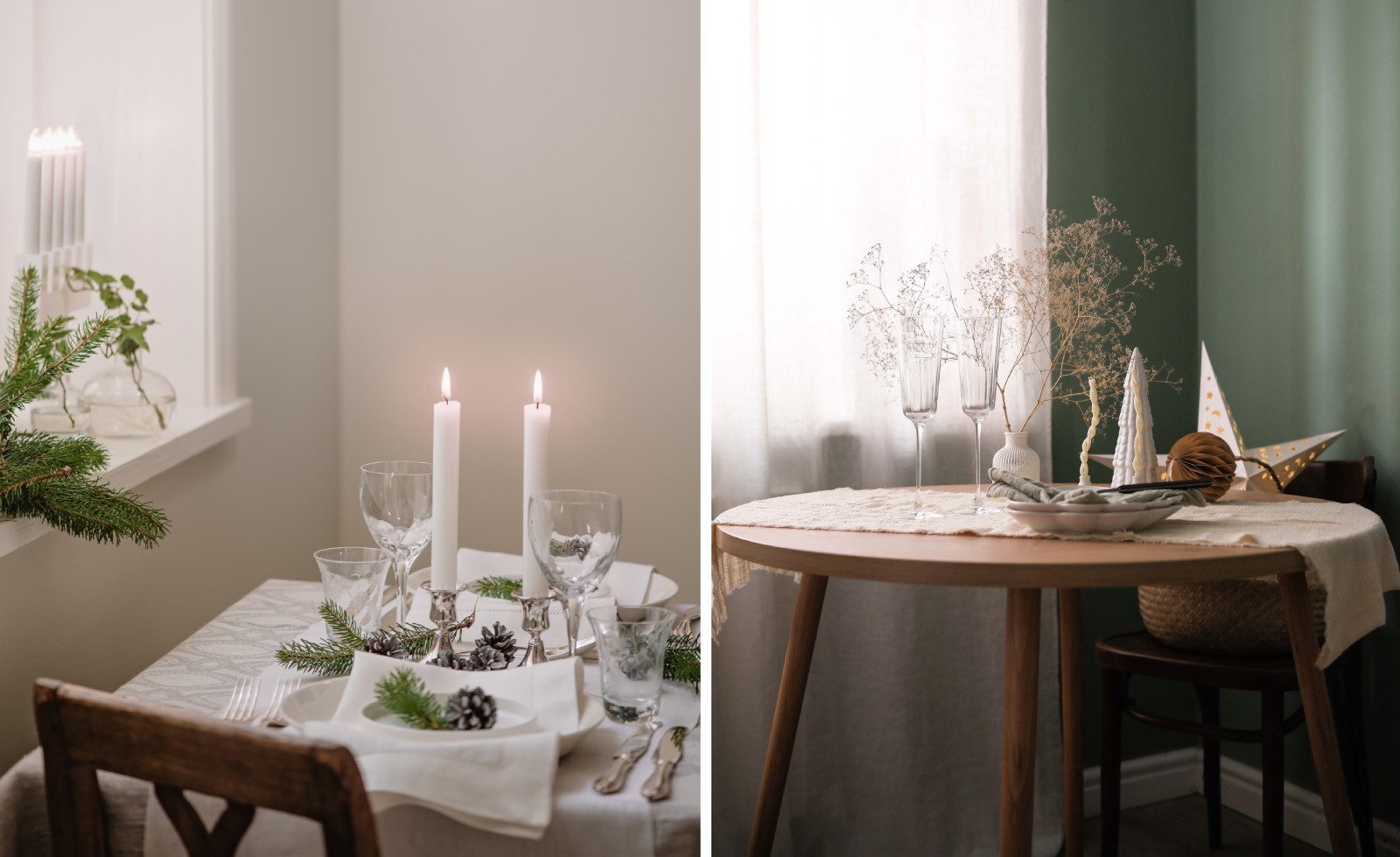
In general, cool tones harmonise better with cool light, while warm tones are enhanced by warm light. Neutral colours, particularly whites, are very sensitive to changes in lighting and can appear cream, grey or bluish depending on the time of day. It is therefore essential to test the paint in different areas and observe it at different times of the day before making a final decision on the colour to choose.
TIPS FOR COMBINING LIGHT AND COLOUR:
- Warm colours + warm light = cosy and comfortable atmosphere
- Cool colours + cool light = modern and defined space
- Neutral colours = Test in different lights before deciding
- North-facing = Constant cool light → Prefer warm colours
- South-facing = Abundant warm light → Freedom of choice
- East-facing = Golden morning light → Shades that benefit from brightness
- West-facing = Orange light at the end of the day → Colours that embrace warmth
HOW TO TEST COLOURS BEFORE PAINTING
Before deciding on a new palette, experiment with lighting. Observe how different types of light – natural, warm or cool – influence the colours you already have in your home.
Turn on a different lamp, experiment with candles or Christmas lights. Notice how reflections change the perception of colour throughout the day and imagine what shades and finishes could enhance the beauty of your home when it's time to paint.
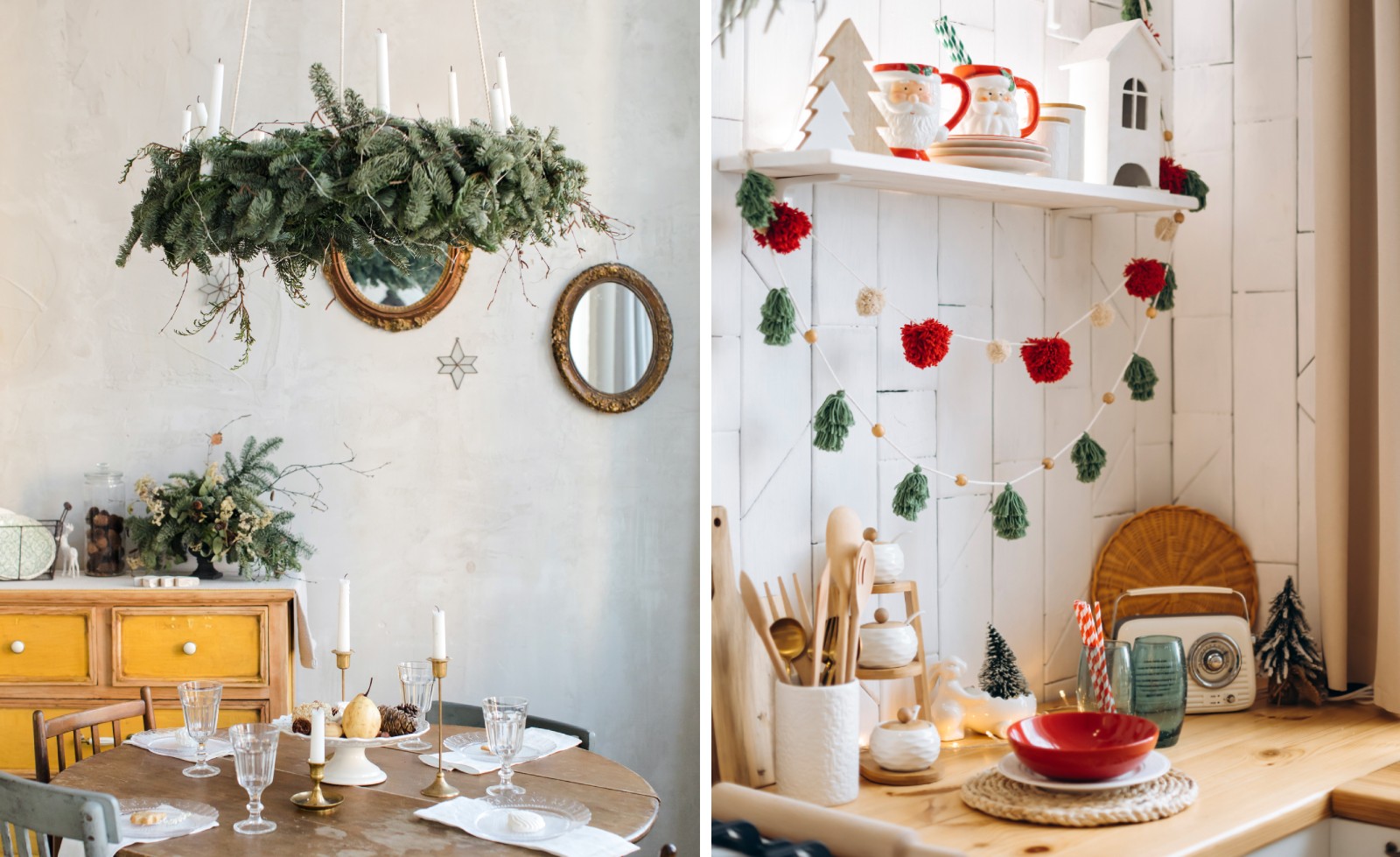
LIGHT AND COLOUR: THE PERFECT COMBINATION
Christmas is a season full of inspiration: the gold of wrapping paper, the deep green of pine trees, the soft white of snow, the sparkle of decorative lights... every detail can become a source of ideas for your next colour palette. Because paint isn't just for decorating a space; it also transforms it and light plays a fundamental role in that.
This is because colour is not static: it varies depending on the light and changes with the time of day. For this reason, before making a decision, we recommend that you look at the chosen shade at different times of the day – morning, afternoon and evening – and in different lighting conditions, both natural and artificial. This way, you can see how the colour you liked in the shop actually looks in your home.
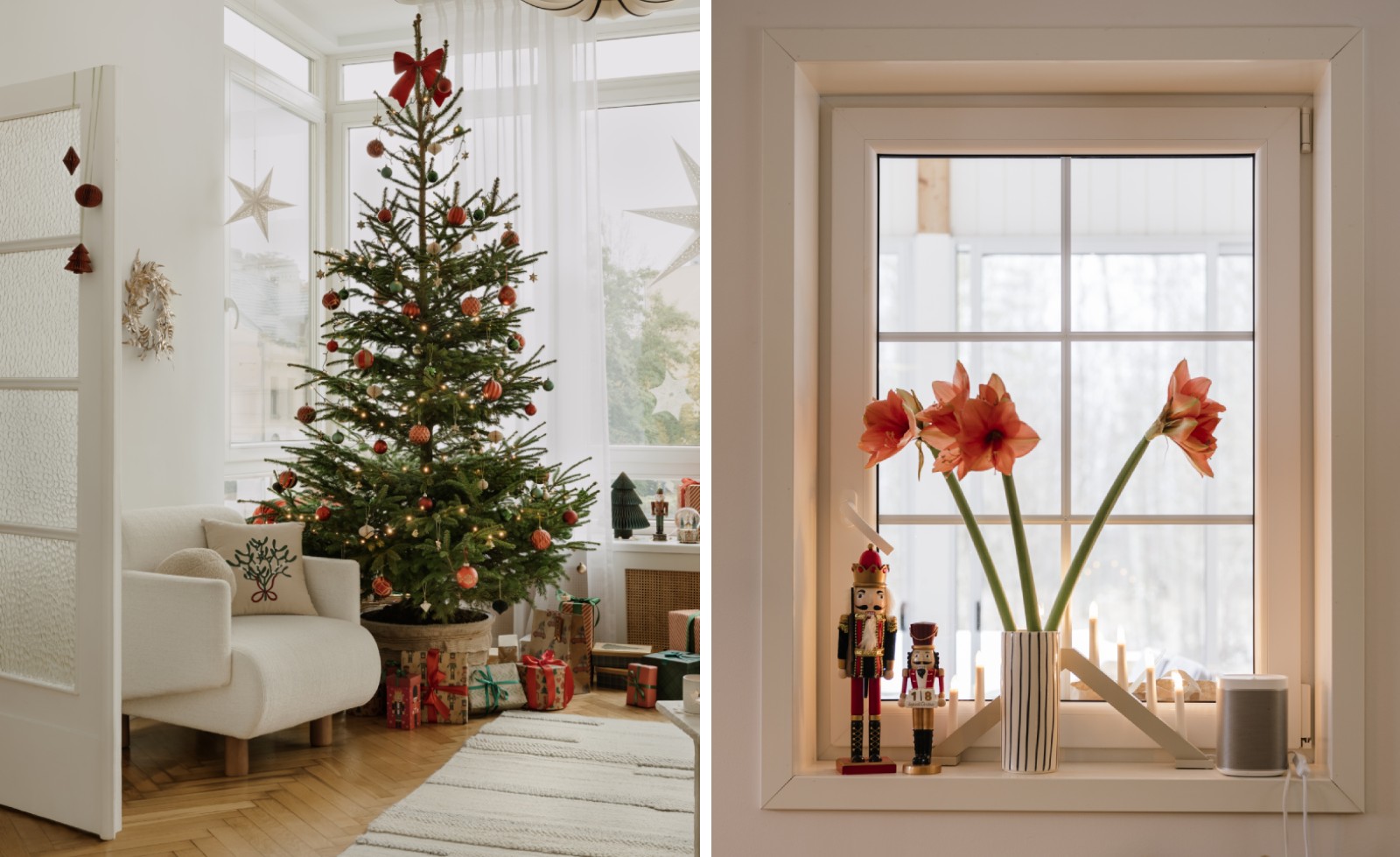
The trick is to choose the colour according to the lighting conditions in which you spend most of your time, whether it's the soft morning light in the living room or the warmth of the lamps at night in the bedroom.
To help you, we have the TESTiT tool, which allows you to test the colour on the walls of your home before making a final decision, after seeing how different shades adapt to your space and lighting. Because with the right light, colours can take on their best qualities, allowing each space to reveal its true personality.
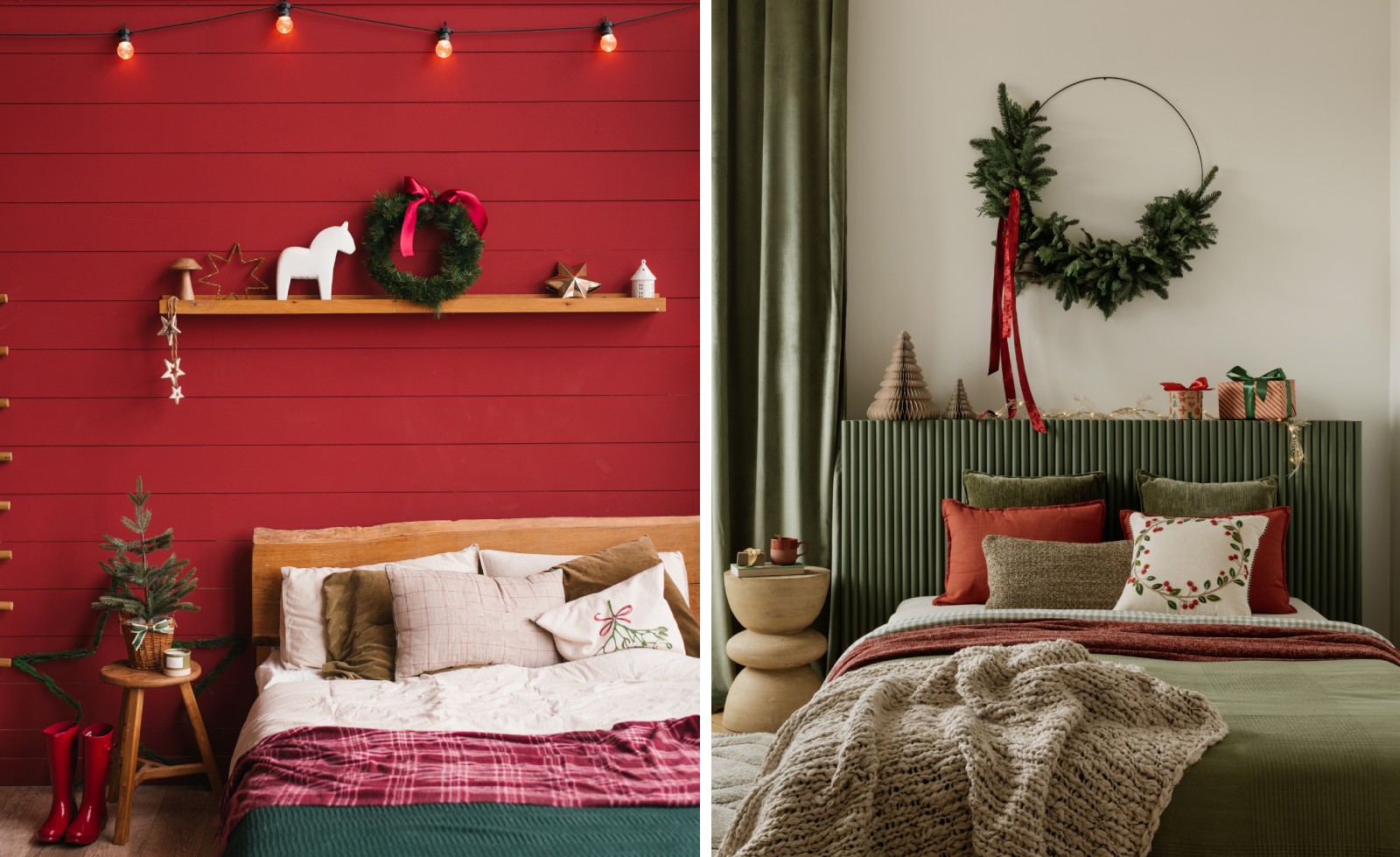
Frequently asked questions (FAQ) about lighting and colours
- How can I tell if a colour will look good on my wall? The best way is to test the colour in different areas of the wall and observe it at various times of the day (morning, afternoon and evening), in natural and artificial light. CIN's TestIt tool allows you to visualise colours before painting.
- What type of light should I use to enhance warm colours? Warm colours (terracotta, beige, yellow, orange) are enhanced by warm light (2700-3500K), typical of incandescent or warm white LED bulbs, which give warmth and depth to the tones.
- What kind of lighting works best with cool colours? Cool colours (blue, green, grey) stand out best with cool light (5000-6500K), which has a bluish tint and makes these tones more vivid and defined.
- Why does the white on the wall change colour throughout the day? Whites are very sensitive to the colour temperature of light. They can look cream-coloured in warm light, bluish in cool light, or greyish on cloudy days. That is why it is essential to test before making a final decision.
- How does solar orientation affect colour choice? North-facing rooms receive cool, constant light (better for warm colours that compensate); south-facing rooms receive abundant, warm light; east-facing rooms have golden light in the morning; west-facing rooms have orange light at the end of the day. Choose shades that harmonise with the predominant light.
- Should I choose a paint colour based on lighting?Choose the colour based on the lighting conditions in which you spend most of your time in that space. If you use the room mainly at night, test the colour with the artificial lighting you usually use.
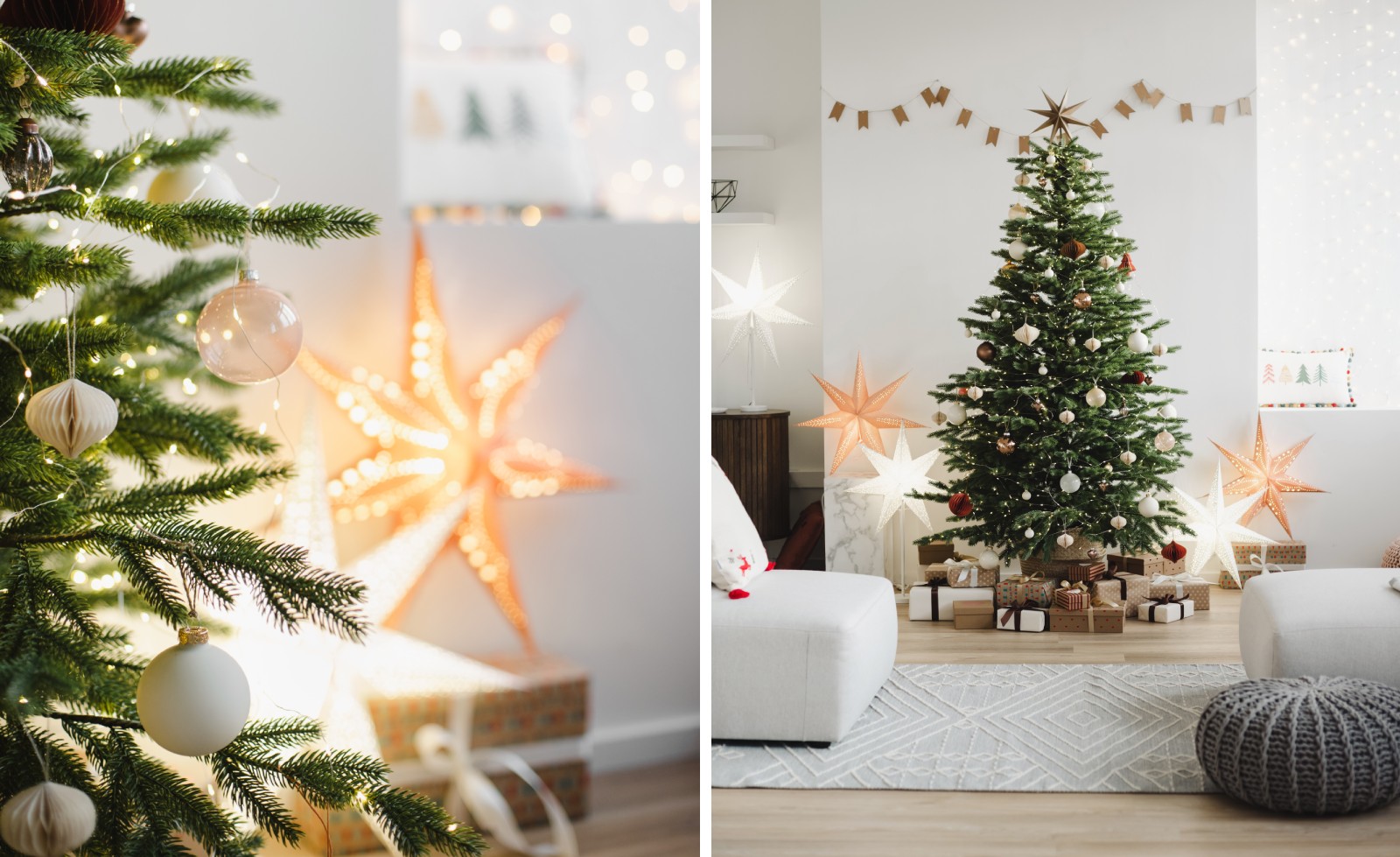
Because with the right light, colours can take on their best qualities, allowing each space to reveal its true personality. Explore our full range of colours! Let's paint?