
Choosing the right paint for each room and type of need

Assessing the properties of each type of paint and weighing the pros and cons will help ensure a high-quality, long-lasting finish. Learn about the characteristics and uses of the main types of paint.
1. ANTI-MOULD PAINT
Anti-mould paint is specially formulated for interior spaces with high humidity, such as bathrooms and kitchens. This paint contains fungicidal agents that prevent mould from forming on walls, helping to maintain a healthier environment. The best anti-mould solution for interiors is generally an acrylic paint with antifungal properties, offering durability and resistance to moisture.
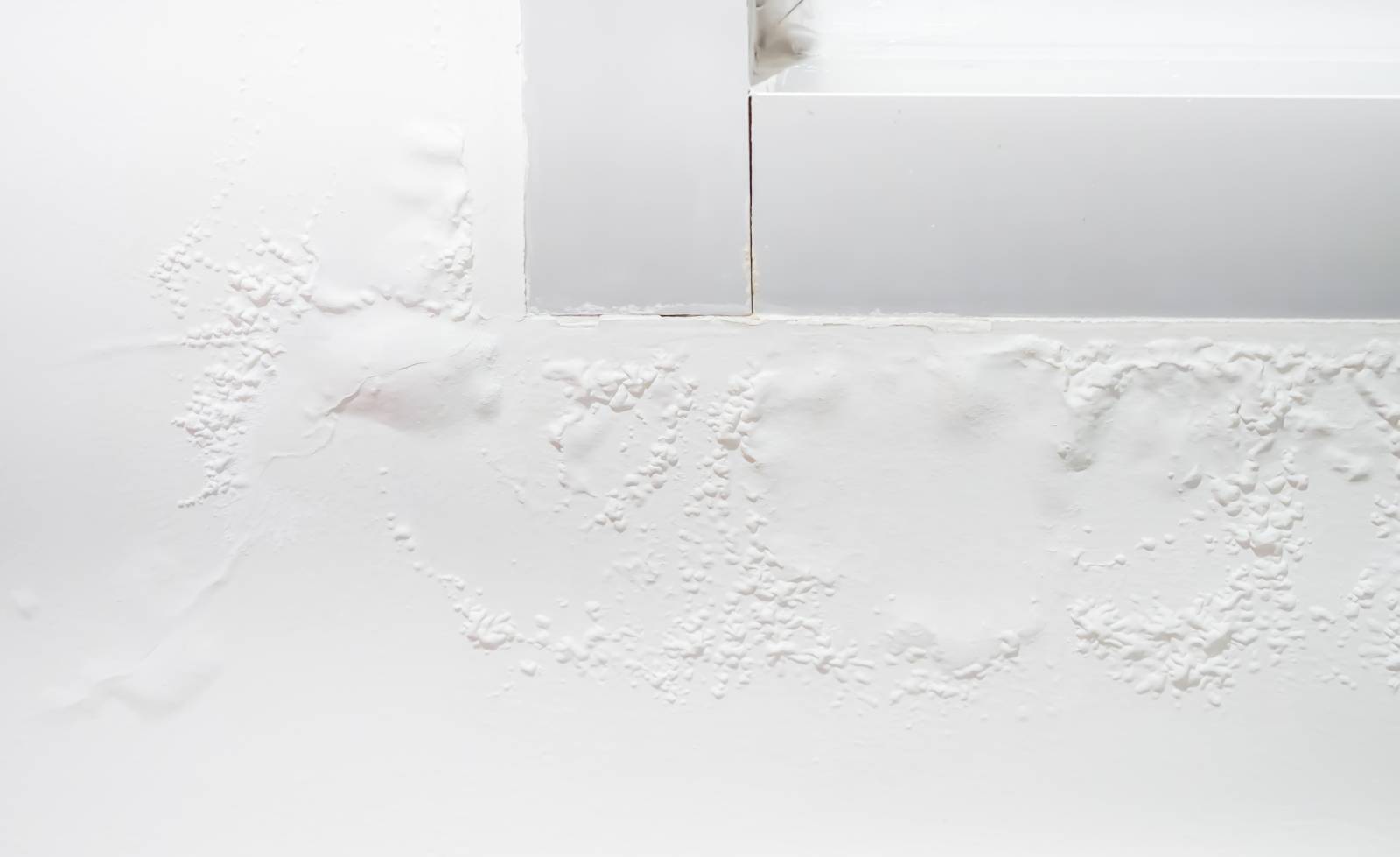
Cinacryl enamel is a high-quality matt acrylic enamel that prevents the growth of mould, algae and other microorganisms on the paint film, making it the ideal solution for kitchens, bathrooms, corridors, schools, healthcare facilities, and any areas exposed to demanding conditions (condensation, frequent washing, use of detergents, etc.).
Similar to anti-mould paint, anti-mildew paint is designed to combat mildew formation on damp surfaces. This type of paint is ideal for spaces such as basements and utility rooms, where ventilation may be insufficient. Anti-mildew paint creates a protective barrier that prevents the development of mould and mildew, keeping walls clean and stain-free.
Stridor is a water-based acrylic paint for interior walls and ceilings that is resistant to fungal growth, particularly species of Mucor, which are commonly found in wineries. It is also recommended for food-sector facilities, kitchens, canteens and healthcare environments, among others.
2. PAINTS FOR DAMP EXTERIOR AREAS
Anti-damp paint is applied to damp areas of the home to prevent the formation of mould and efflorescence. The acrylic resin it contains helps provide protection against moisture-related problems, such as condensation and water vapour. This type of paint is only effective for minor or surface-level moisture issues. More serious problems, such as water ingress or leaks, cannot be treated with this type of paint and require a solution adapted to each specific situation.
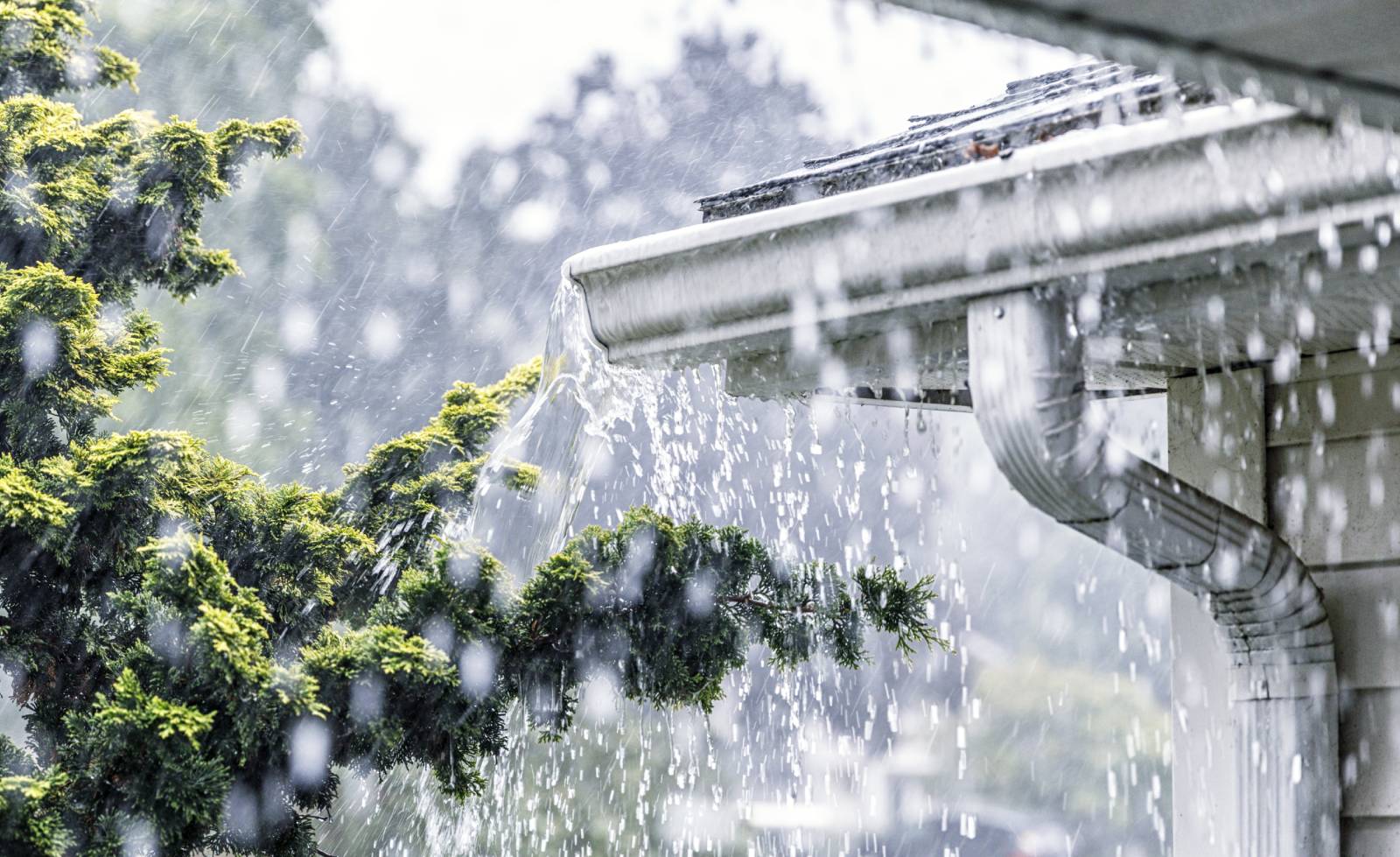
To make your home healthier and prevent deterioration caused by moisture and water infiltration, we offer the Aquastop range of waterproofing products. These products protect buildings, whether new or renovated, and waterproof roofs, terraces, façades and floors, preventing water from penetrating materials and slowly degrading them over time.
3. TILE PAINT
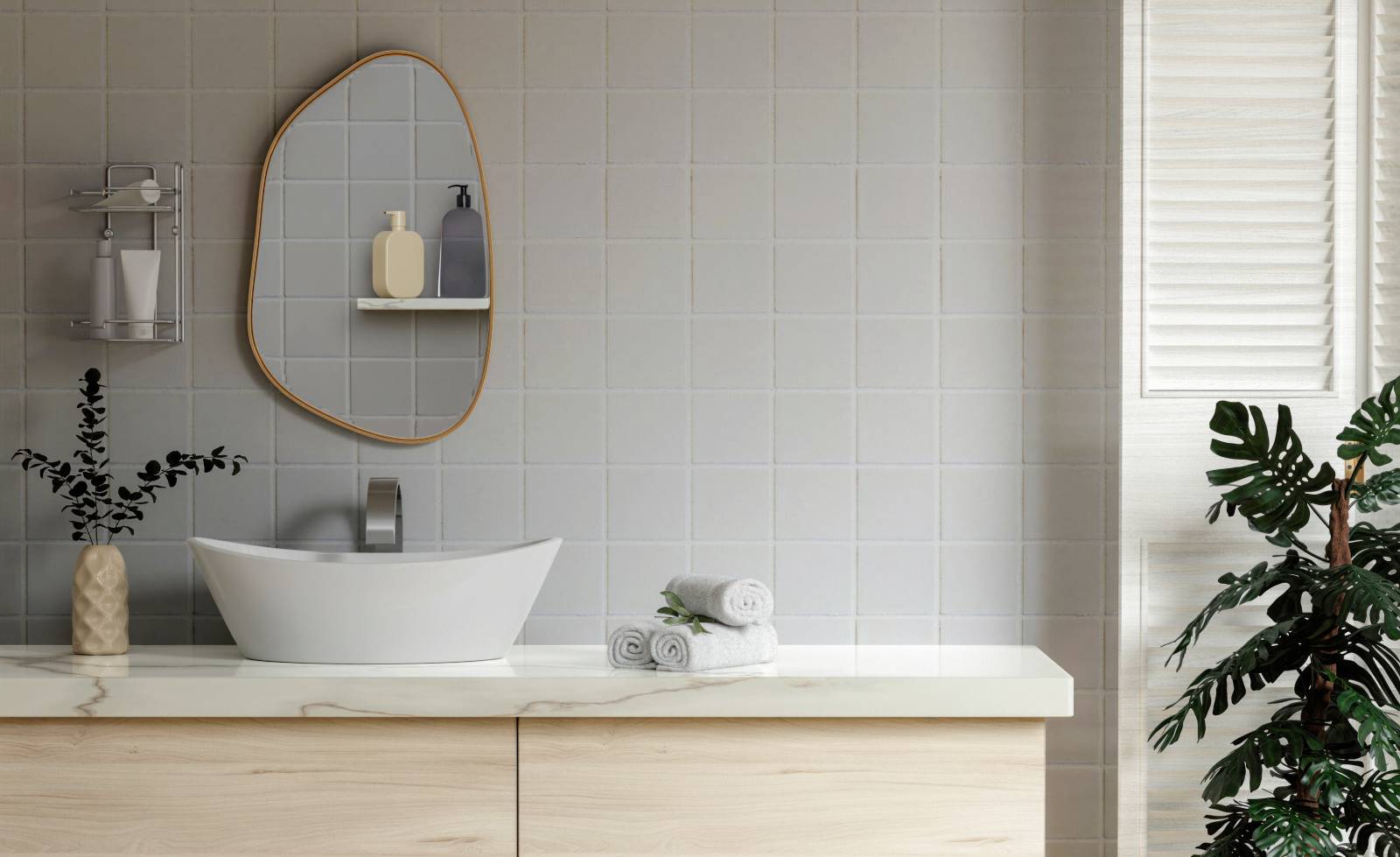
Tile paint is a practical and cost-effective solution for refreshing tiled surfaces without having to replace them. This type of paint is formulated to adhere to smooth ceramic surfaces, providing a durable, water-resistant finish. It is essential to clean the tiles thoroughly and apply a suitable primer such as Aqua Primer before painting to ensure proper adhesion. After priming, for the topcoat use two coats of Cinacryl, a high-quality, highly durable water-based matt acrylic enamel – ideal for kitchens and bathrooms – in your preferred colour and sheen. Cinacryl is available in three finishes: Cinacryl Matt, Cinacryl Satin e Gloss Cinacryl.
Watch the step-by-step process in this video on “How to paint tiles”.
4. PAINT FOR METAL
When it comes to painting metal surfaces, enamels are an ideal choice thanks to their durability and excellent finish. There are two main types of enamel: solvent-based synthetic enamels and water-based enamels. Each has distinct characteristics that make them more suitable for different applications. Choosing between synthetic enamels and water-based enamels depends on the specific requirements of your project.
If durability and resistance are the main priorities, synthetic enamels are the best option. For projects where speed, safety and environmental impact are more important, water-based enamels are the better choice. Carefully assessing the advantages and disadvantages of each type of product will help ensure the best result for your painting project
Synthetic enamels (solvent-based)
Synthetic enamels are solvent-based paints known for their strong adhesion and durability. They are often used in environments where high durability is required. The main disadvantages are their longer drying time and the need to use solvents such as white spirit to clean brushes and tools after application.
Recommended uses include:
- Metal and wooden furniture. Ideal for furniture that requires a long-lasting, protective, glossy finish.
- Gates and railings. Excellent for exterior surfaces exposed to the weather.
- Metal structures. Used in industrial and commercial applications where durability is essential.
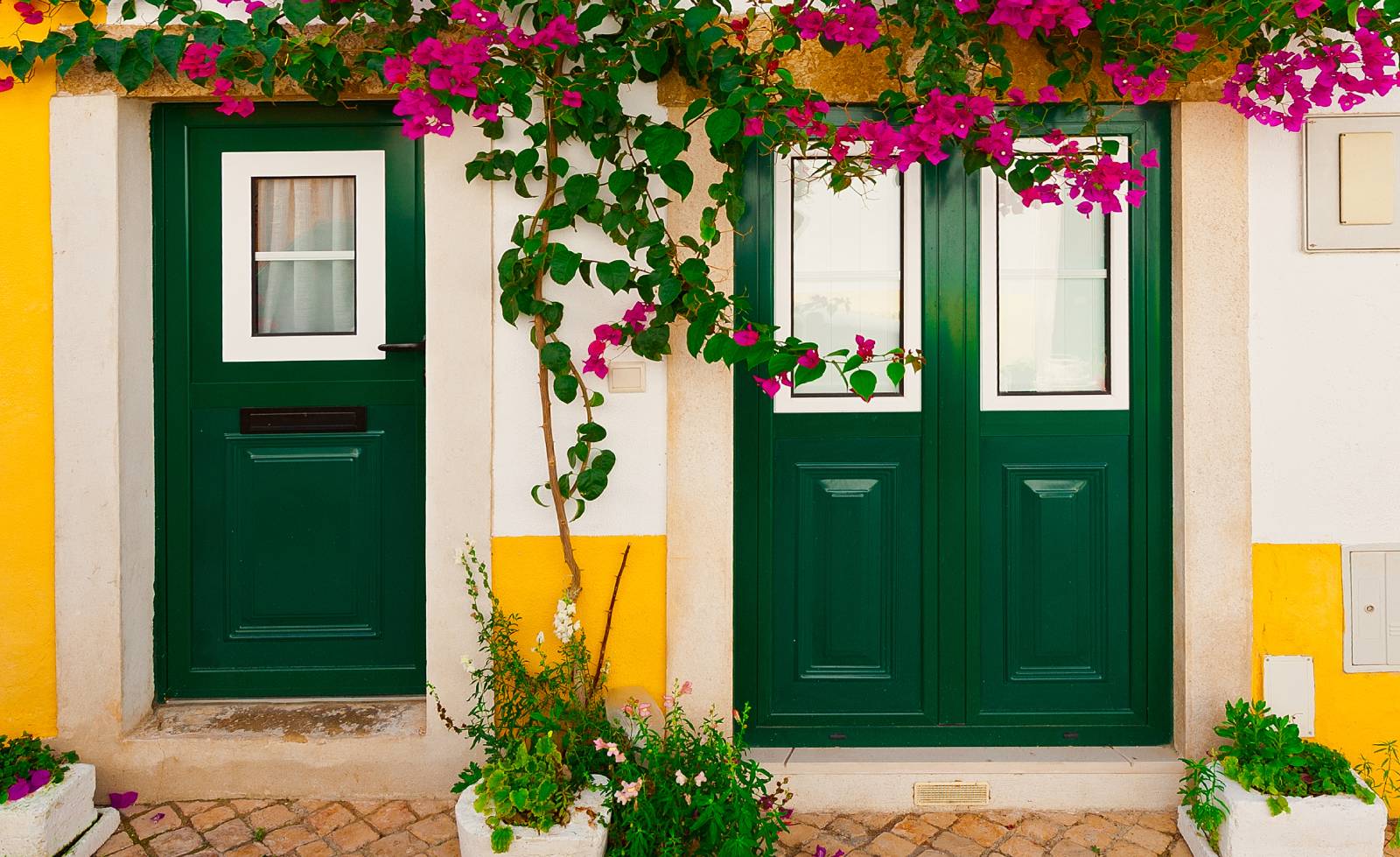
At CIN, we offer Sintecin, a high-quality synthetic enamel with a gloss, satin or matt finish, designed to protect and decorate wood and metal, both indoors and outdoors. It is very easy to apply and provides a smooth, lacquered finish. With excellent covering power and good flexibility, it accommodates the natural movement of wood.
Water-based enamels
Water-based enamels are a more environmentally friendly, quick-drying alternative. They are often used indoors and in projects where speed and safety are priorities. Their low odour makes them better suited for indoor use, especially in areas with limited ventilation. Brushes and tools can also be cleaned with water, without the need for solvents. They also contain fewer volatile organic compounds (VOCs), making them less harmful to the environment and to general health. Although durable, water-based enamels are generally not as resistant as synthetic enamels, especially under extreme conditions.
Recommended uses include:
- Interiors. Perfect for walls, doors, skirting boards and indoor furniture thanks to their low odour and quick drying time.
- Sensitive areas. Ideal for spaces where health and safety are a priority, such as children's bedrooms and schools.
- DIY projects. Widely used in home-improvement projects due to their ease of application and cleaning.
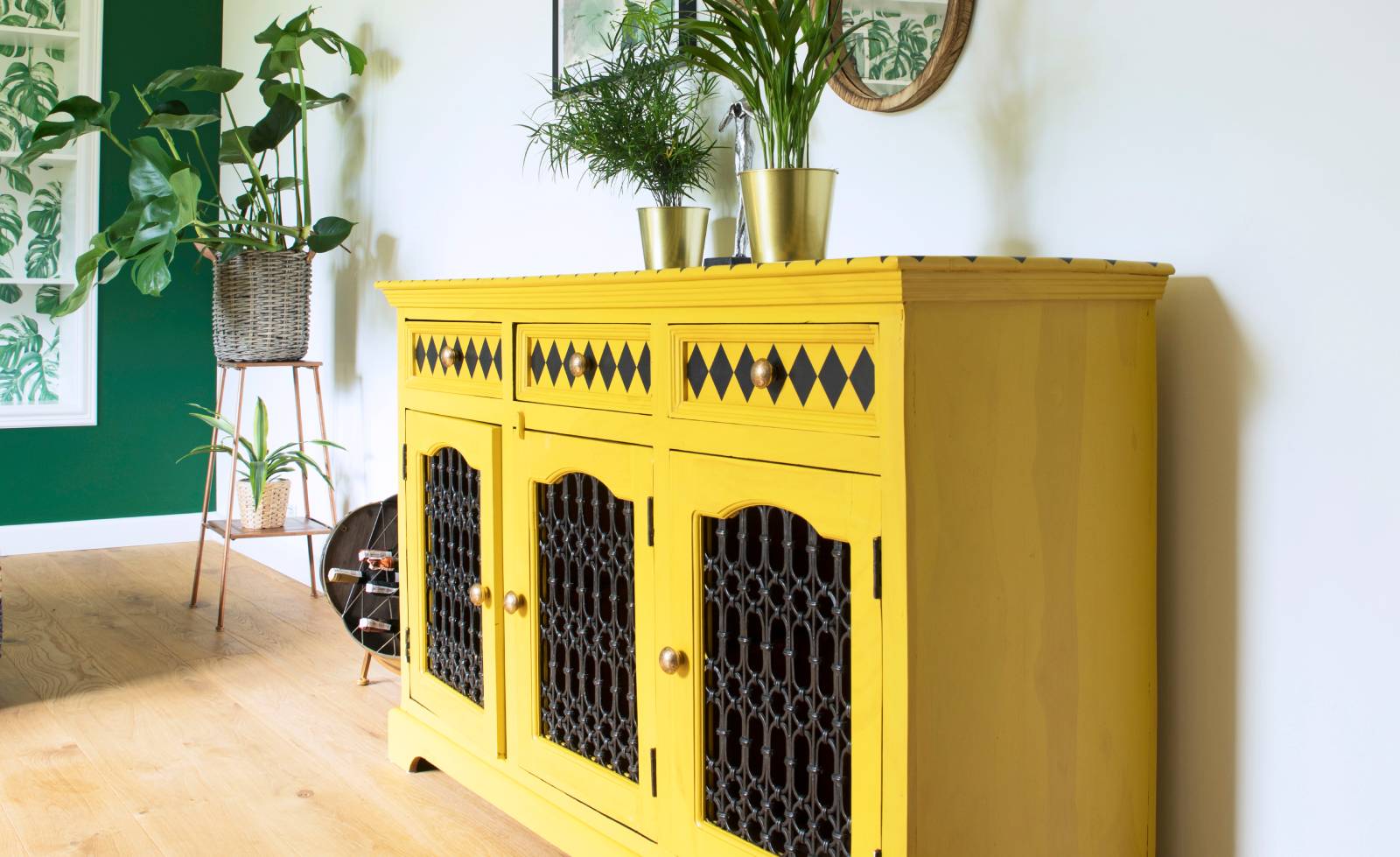
AC-Thane is an acrylic enamel with an innovative technology that provides an ultra-smooth feel and an excellent gloss or satin finish. It provides a smooth lacquer-like finish and fast drying, allowing two coats to be applied in a single day. It is recommended for painting wood and metal surfaces, both indoors and outdoors. Designed for both professionals and homeowners, AC-Thane's innovative technology, based on a new polyurethane-enriched formulation, gives the coated surface added hardness and flexibility.
5. ACRYLIC PAINTS
Acrylic paints are one of the most popular options for painting interior and exterior walls. They are water-based, dry quickly and have a low odour. They are also durable, resistant to fading and easy to clean, making them ideal for high-traffic areas.
Some common uses of vinyl paints include:
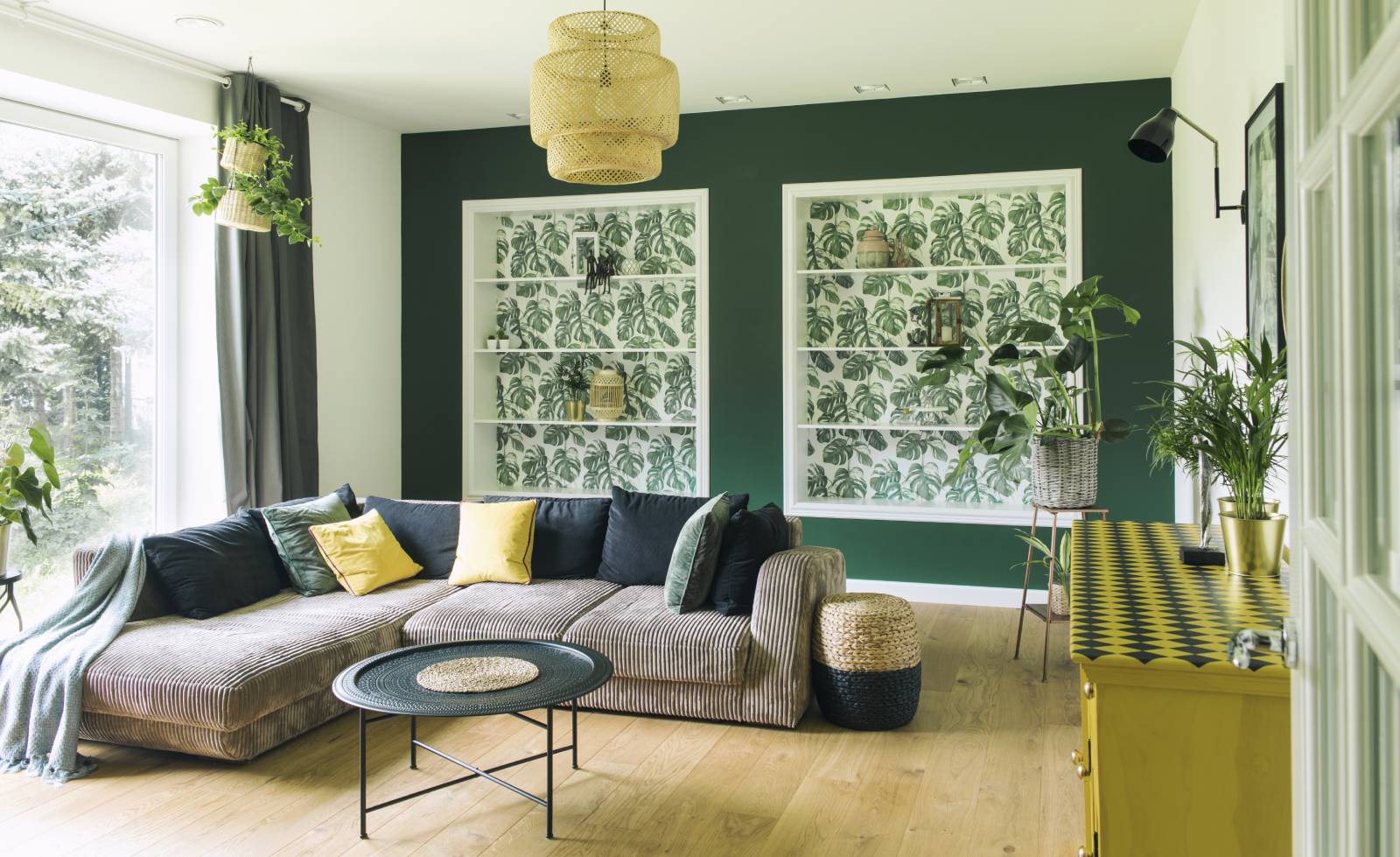
- Interior wall painting. They provide a smooth finish and are easy to clean, which makes them ideal for high-traffic areas such as corridors, kitchens and bathrooms. Premium is a superior-quality matt paint based on advanced technology. It combines exceptional durability, excellent opacity and scratch resistance in a product that is easy to apply. It is 100% acrylic, delivering outstanding performance that brings colour and comfort to your home. It is available in a wide range of colours.
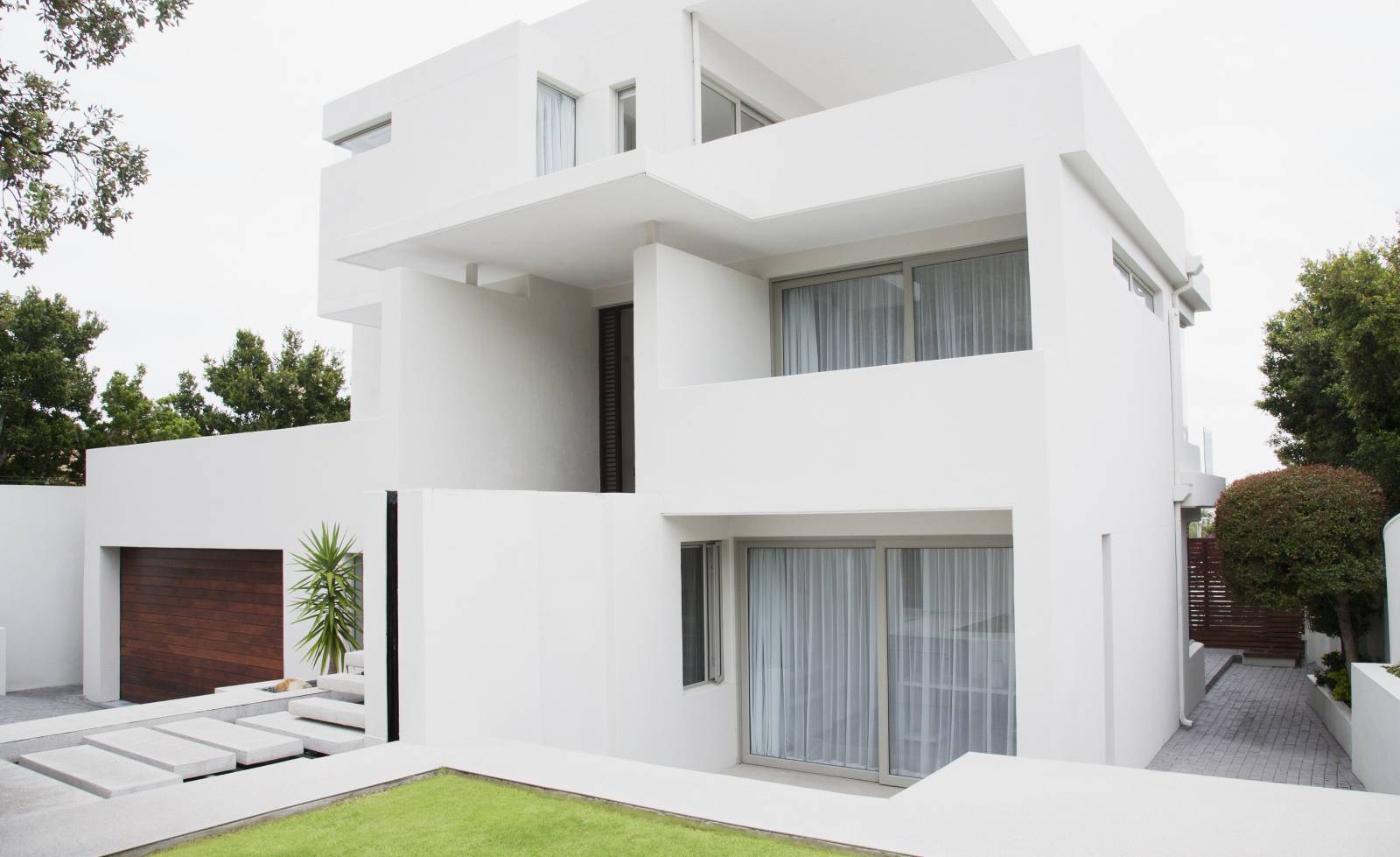
- Façade painting. Thanks to their weather resistance, vinyl paints are suitable for painting façades. They withstand exposure to sun, rain and other adverse weather conditions, helping to protect and enhance the appearance of the building. Nováqua HD is an unbeatable 100% acrylic paint developed to withstand the most demanding atmospheric conditions, night-time condensation, colour changes, mould and algae, as proven by the extensive testing it has undergone. Easy to apply, this smooth matt paint delivers high, proven performance, exceptional durability and meets the highest quality standards required for painting façades.
6. VINYL PAINTS
Vinyl paints, also water-based, are similar to acrylic paints but contain a higher proportion of vinyl resins. They are a versatile and durable option for a wide range of applications, both indoors and outdoors. These paints are known for their excellent adhesion and resistance to wear.
Here are some examples of how vinyl paints can be used:
- Interior wall painting. They provide a smooth finish and are easy to clean, which makes them ideal for high-traffic areas such as corridors, kitchens and bathrooms. Vinylmatt is a high-quality water-based vinyl paint suitable for interior walls and for exterior use. With a deep matt finish, it helps to conceal small imperfections in the walls and is available in an extensive range of colours. Vinylclean is also a high-quality, highly washable water-based paint for interior walls, with a matt finish and innovative technology that provides maximum stain resistance. It is available in a wide range of colours.

- Façade painting. Thanks to their weather resistance, vinyl paints, formulated to withstand direct sunlight, temperature variations and humidity, help to protect and maintain the appearance of exterior surfaces over time.
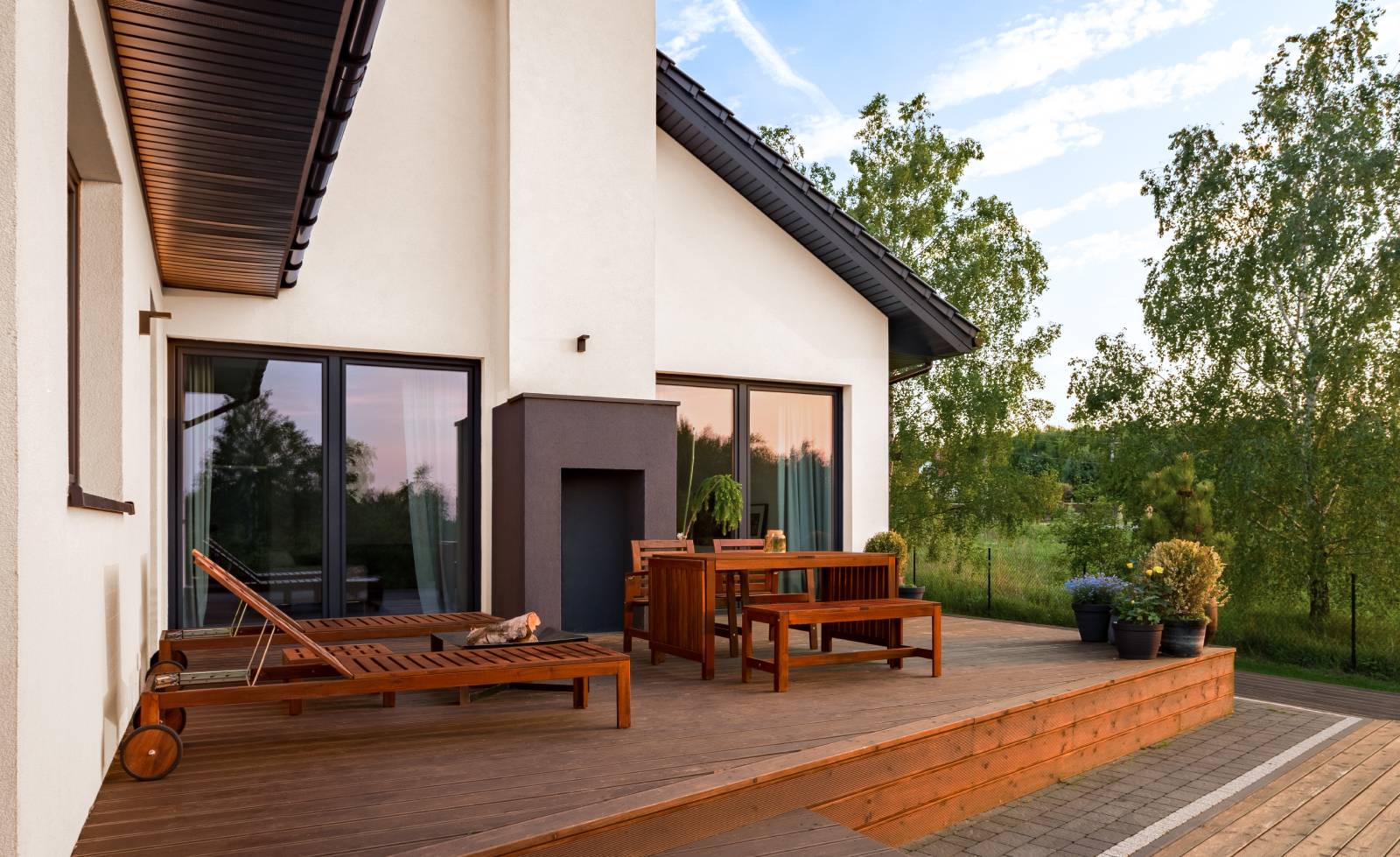
We also offer decorative paint finishes for spaces where walls play a key role in both aesthetics and functionality.
In these projects, paint takes on greater importance because of the appearance and texture it gives the surface after application and drying. The type of finish is determined by the level of sheen and the ability to reflect light.
TYPES OF PAINT FINISHES
There are several types of paint finishes, each with its own characteristics, advantages and disadvantages, suited to different applications and aesthetic preferences.
- Matt or extra-matt finish
Matt paints provide a flat, non-reflective finish that is ideal for concealing imperfections in walls. However, they tend to be less resistant to stains and dirt.
- Semi-matt finish (Eggshell)
Semi-matt paints have a light sheen – more than matt but less than satin. They combine a good ability to conceal imperfections with easier cleaning than matt paints, making them ideal for areas with moderate traffic, such as hallways and living rooms. However, they may still reveal imperfections on very uneven surfaces.
- Satin finish
Satin paints offer a smooth, slightly shiny finish. They are more durable and easier to clean than matt paints, making them ideal for high-traffic areas and frequently used spaces such as kitchens and bathrooms.
- Gloss finish
Gloss paints reflect light and are resistant to washing and condensation. However, the surface must be perfect, as the glossy effect can highlight even the smallest of irregularities. They are particularly suitable for painting wood or metal.
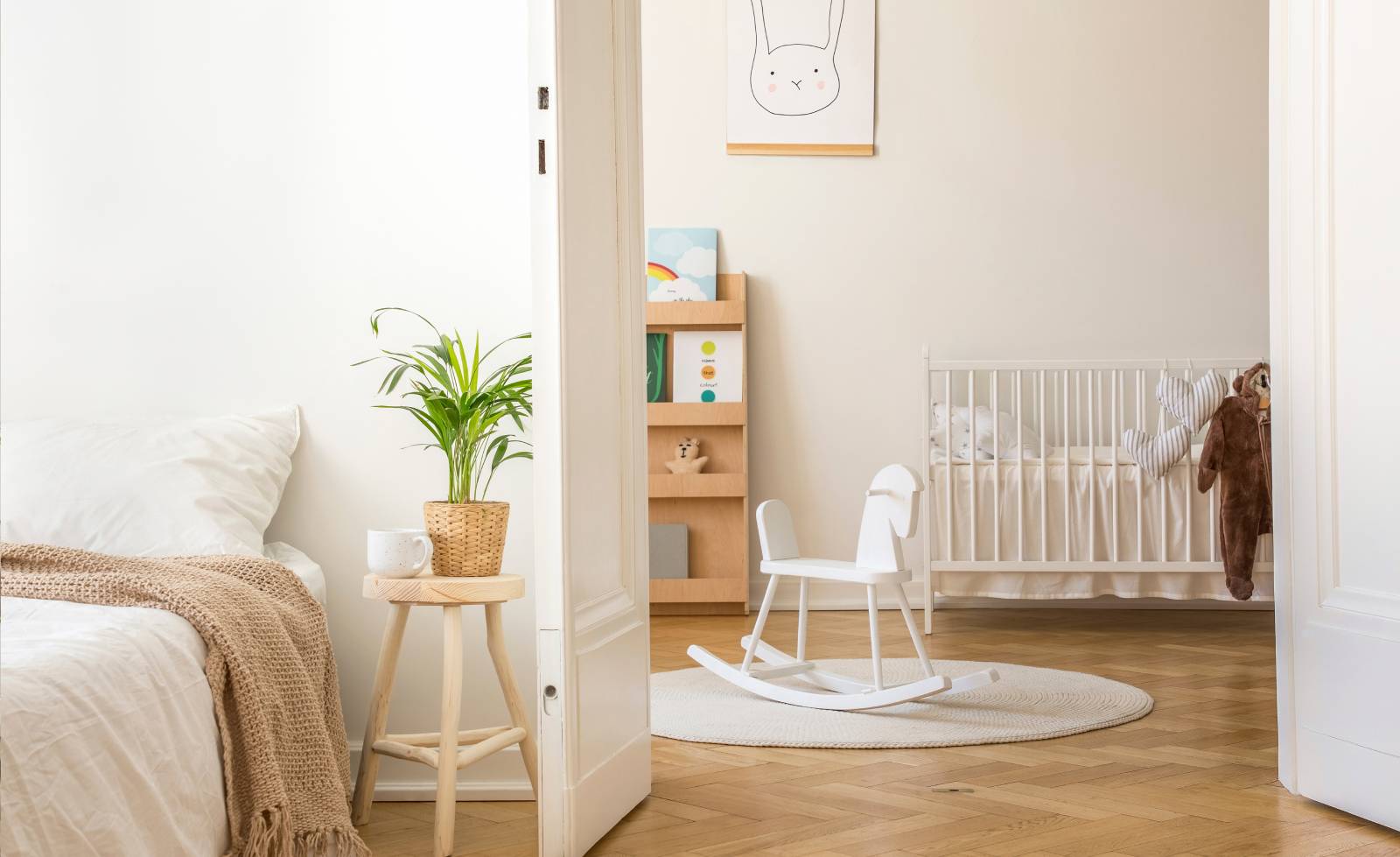
Our product portfolio includes a range of water-based interior paints that provide high-quality finishes: the Vinyl range.
VinylMatt is an extra-matt paint that helps to disguise small wall imperfections.
VinylClean also has a matt finish and is highly washable with maximum stain resistance (ideal for children's bedrooms, for example).

VinylSoft is a semi-matt paint with a soft-touch finish and easy cleaning. VinylSilk has a satin finish.
All paints in the Vinyl range are available in an extensive range of colours, have low odour, offer excellent opacity and coverage, and are resistant to mould and algae. They also have a high indoor air-quality rating, making this range an ideal choice for interior painting projects.
Choosing the right paint will depend on the characteristics of the space and your specific needs. Whether for interiors or exteriors, for high-traffic areas or damp environments, there is a suitable paint for every situation. Understanding the different types of finishes and their characteristics helps you select the best paint for each project, balancing both functionality and the desired aesthetic./p>